
Is Georgia Safe to Visit? Everything You Need to Know (2026)
If you're Googling "is Georgia safe to travel" — we get it. Georgia (the country in the Caucasus, not the US state) shares a border with Russia, sits in a region most Westerners can't place on a map, and rarely makes international news for feel-good stories. On paper, it sounds risky.
In reality, Georgia is one of the safest countries in Europe — and significantly safer than many popular tourist destinations you'd never think twice about visiting.
Let's break it down honestly. Not everything is perfect, but the overall picture is very reassuring.
The Short Answer
Georgia is very safe for tourists. The country ranks favorably in global safety indices, has low violent crime rates, and tourism is a national priority — visitors are treated exceptionally well. The Georgian concept of stumari (guest) is deeply cultural: a guest is considered sent by God.
Some context:
- Georgia's homicide rate is 1.1 per 100,000 — lower than the US (6.3), France (1.3), and similar to the UK (1.2). Source: UNODC.
- The Global Peace Index ranks Georgia around 80th out of 163 countries — comparable to Romania, Albania, and Mongolia, and safer than Turkey, Thailand, or Brazil (all massively popular tourist destinations).
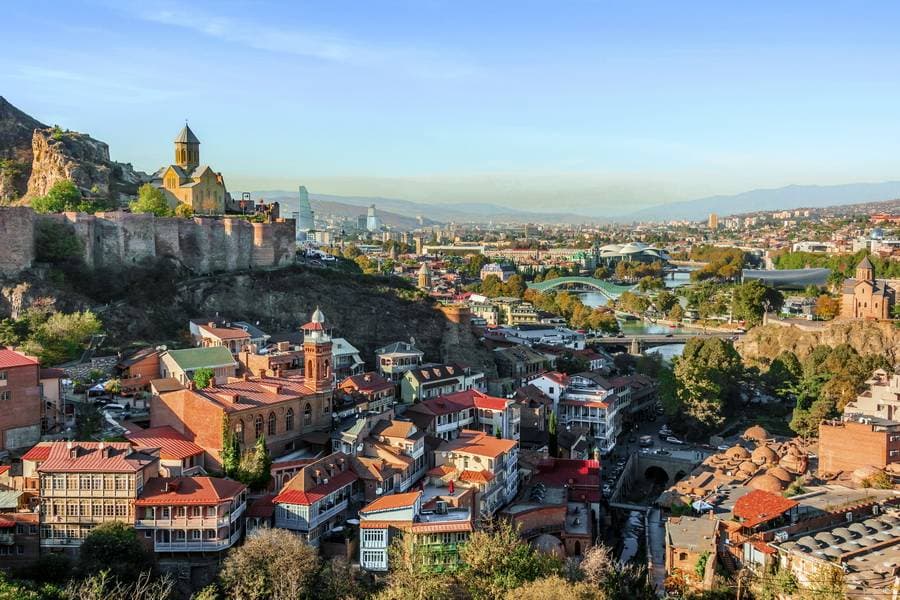
- Tbilisi has been called one of Europe's safest capitals for walking alone at night by multiple travel publications.
Georgia welcomed over 7 million international visitors in 2023, making tourism one of the country's largest industries. The government heavily invests in tourist safety — visible police presence in tourist areas, a dedicated tourist police unit, and English-speaking officers in major cities.
Crime and Petty Theft
Violent crime against tourists is extremely rare. Georgia doesn't have the pickpocket culture of Barcelona or Rome. Bag-snatching, mugging, and scams targeting tourists are uncommon.
That said, basic common sense applies:
- Tbilisi is safe to walk at night in central areas (Old Town, Rustaveli, Vera, Vake). Avoid poorly lit outskirts alone at 3 AM, same as any city.
- Petty theft exists but at lower rates than most European capitals. Don't leave your phone on the restaurant table and walk away — but you're unlikely to have your pocket picked on the metro.
- Car break-ins occasionally happen if you leave valuables visible. Park in guarded lots when possible.
- Scams are nearly nonexistent. You won't encounter the "friendship bracelet" trick, fake petitions, or rigged card games common in Western Europe. Taxi overcharging is the closest thing to a scam — use the Bolt app to avoid it.
Bottom line: Exercise normal city awareness. Georgia is safer than most places you've already traveled.
Solo Travel Safety
Georgia is excellent for solo travelers. The culture of hospitality means you'll rarely feel alone — locals will invite you for meals, offer directions, and go out of their way to help. Guesthouses in rural areas function almost like homestays, and your host will treat you like family.
Women Traveling Solo
Georgia is generally safe for solo female travelers. Women regularly travel independently across the country without issues. That said, a few nuances:
- Tbilisi is progressive and cosmopolitan. Women walk alone at night, go to bars, dress as they like. It feels comparable to other European capitals.
- Rural areas are more conservative. Unwanted attention (staring, attempts at conversation) happens occasionally but rarely escalates beyond awkwardness. Firm politeness works.
- Dress modestly at churches — this applies to everyone, but women will be asked to cover their heads and shoulders. Carry a scarf.
- Georgian men can be forward in social settings (persistent offers to buy drinks, chat, etc.). This is generally harmless cultural behavior, not threatening. A clear "no" is respected.
Solo female travelers consistently report feeling safer in Tbilisi than in Paris, Rome, or Istanbul. The lack of street harassment is notable compared to many Mediterranean destinations. That said, trust your instincts — if a situation feels off, leave.
Driving Safety
This is where Georgia loses points. Driving is the biggest safety risk for tourists.
Georgian driving culture is... aggressive. Overtaking on blind corners, tailgating on mountain roads, and creative interpretation of lane markings are common. The roads themselves are generally well-maintained on major routes, but rural and mountain roads can be narrow, unpaved, and lacking guardrails.
Some specifics:
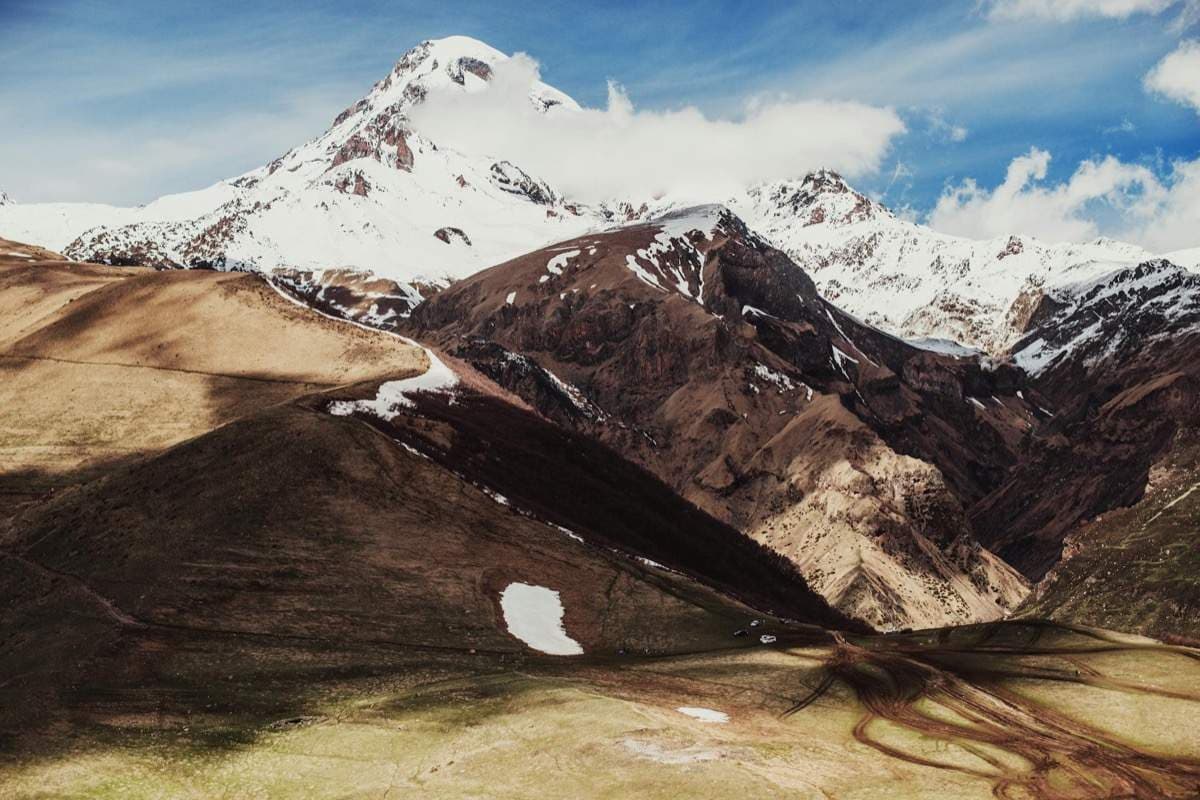
- The Georgian Military Highway (Tbilisi to Kazbegi) is paved and in good condition, but the mountain sections have steep drops and fast-moving traffic.
- The Abano Pass to Tusheti is one of the world's most dangerous roads — single-lane, unpaved, sheer cliff edges, no guardrails. Only attempt in a proper 4x4 with an experienced driver.
- Tbilisi traffic is chaotic but manageable if you've driven in southern Europe, Turkey, or Southeast Asia.
- Drink driving is a problem, particularly in rural areas. Be especially cautious on roads at night and after events/holidays.
Georgia's road fatality rate is 11.4 per 100,000 people — higher than the EU average (5.1) but lower than the US (12.7). It's improving year over year as roads are upgraded and enforcement increases.
If you're not comfortable with assertive driving, hire a local driver. It costs $50-80/day, eliminates the stress, and your driver will know the roads intimately. This is the single best safety investment for your trip.
If you are comfortable driving in Georgia, GT Tours rents well-maintained 4x4s and SUVs built for mountain roads. Browse car rental options →
Food and Water Safety
Georgian food is very safe. The cuisine relies on fresh, locally sourced ingredients — meat is grilled or stewed, bread is baked fresh, and vegetables come from nearby markets.
- Tap water is safe to drink in Tbilisi, Batumi, and most cities. In rural mountain areas, ask your host — most springs are clean, but it's worth confirming.
- Street food is safe. Khachapuri from a street bakery, churchkhela from a market — no issues. The turnover is fast and the food is freshly prepared.
- Stomach issues are rare but can happen when adjusting to a new cuisine. Georgian food is rich — lots of cheese, butter, bread, and meat. Pace yourself on Day 1. The homemade wine at guesthouses can be potent (sometimes 14-16% ABV with no label to warn you).
- Allergies: Walnuts are in everything — pkhali, satsivi, churchkhela, bazhe sauce. If you have a nut allergy, communicate it clearly. The Georgian phrase is "nigvzis alergia maqvs" — but honestly, use Google Translate to show your host in writing.
LGBTQ+ Considerations
This is an area where honesty matters more than reassurance.
Georgia is a socially conservative, predominantly Orthodox Christian country. LGBTQ+ rights lag behind Western Europe significantly. Same-sex relationships are legal, but there is no legal recognition of same-sex partnerships, and public attitudes — particularly outside Tbilisi — can be hostile.
Practical implications for LGBTQ+ travelers:
- Tbilisi has a small but growing LGBTQ+ scene. There are queer-friendly bars and events, though many operate discreetly.
- Public displays of affection between same-sex couples may attract negative attention, particularly outside Tbilisi. This extends to hand-holding, which most Georgian same-sex couples avoid in public.
- Violence against LGBTQ+ people has occurred at pride events. The 2021 Tbilisi Pride was met with violent counter-protests. The situation is evolving but remains tense.
- Hotels and guesthouses will not turn away same-sex couples, but some rural hosts may be uncomfortable. Booking a twin room avoids awkwardness.
We won't sugarcoat this: Georgia is not yet a comfortable destination for LGBTQ+ travelers who are openly affectionate in public. It's physically safe — violent incidents targeting individual tourists are essentially unheard of — but the social environment can feel unwelcoming. Tbilisi is markedly more progressive than rural areas.
The Geopolitical Situation
The elephant in the room: Russia.
Georgia and Russia fought a brief war in 2008 over the breakaway regions of South Ossetia and Abkhazia. Russia recognizes these as independent states; Georgia (and most of the world) considers them occupied Georgian territory.
What this means for tourists:
- Do not attempt to enter South Ossetia or Abkhazia from the Russian side. Georgia considers this illegal entry into occupied territory, and you'll face legal consequences if caught entering Georgia proper afterward.
- The occupied territories are off-limits. There are Russian military checkpoints at the boundary lines. Accidental crossing is essentially impossible — the boundaries are clearly marked and gated.
- The rest of Georgia is completely unaffected. The conflict zones are contained, and there is zero military activity or safety risk in tourist areas. You won't see any evidence of the conflict in Tbilisi, Kakheti, Kazbegi, or anywhere on standard tourist routes.
- Russia-Georgia relations remain tense diplomatically but this doesn't impact daily life or tourism. Many Russians visit Georgia as tourists (direct flights resumed in 2023), and Georgians and Russians interact normally on a personal level.
Think of it like visiting South Korea — technically at war with the North, but you wouldn't think twice about visiting Seoul. The conflict zones in Georgia are geographically limited, heavily monitored, and nowhere near tourist areas.
Natural Hazards
- Earthquakes: Georgia sits in a seismically active zone. Minor tremors are common; major earthquakes are rare. The last significant one was in 2009. Buildings in Tbilisi's Old Town are older and less earthquake-resistant than modern construction — this is a known risk but not one you can practically mitigate.
- Mountain weather: Changes rapidly. Snowstorms can hit mountain passes in May or October. Flash flooding occurs in gorges during heavy rain. Check conditions before mountain drives.
- Stray dogs: Georgia has a large stray dog population, particularly in Tbilisi. They're generally docile and well-fed (a municipal sterilization and vaccination program has been running since 2015), but give aggressive-looking packs wide berth, especially at night. Rabies risk is low but not zero — if bitten, seek medical attention immediately.
- Snakes and wildlife: Vipers exist in rural areas but encounters are rare. Bears live in the mountains but avoid humans. Standard wilderness precautions apply for hikers.
Emergency Numbers and Practicalities
| Service | Number |
|---|---|
| General Emergency | 112 (works from any phone, English-speaking operators available) |
| Police | 022 |
| Ambulance | 033 |
| Fire | 011 |
| Tourist Police (Tbilisi) | +995 32 298 16 91 |
Healthcare: Public hospitals are basic but functional. Private clinics in Tbilisi (like MediClub Georgia or Aversi Clinic) offer good care at reasonable prices. Any serious medical issue — fly to Istanbul or a European capital. Medical evacuation is the main reason to have travel insurance.
Pharmacies: Well-stocked and everywhere. Most medications are available without prescription (antibiotics, painkillers, etc.). Pharmacists often speak some English.
Travel Insurance
Get it. Georgia is cheap, but medical evacuation is not. A helicopter rescue from Kazbegi or an air ambulance to Istanbul costs $10,000-50,000+. Standard travel insurance covering medical evacuation costs $30-80 for an 8-day trip.
Recommended coverage:
- Medical expenses (minimum $100,000)
- Medical evacuation / repatriation
- Trip cancellation
- Adventure sports / hiking (if applicable — check your policy excludes don't apply)
World Nomads and SafetyWing both cover Georgia well. Check that hiking and adventure activities are included if you plan to trek in the mountains.
How Georgia Compares to Popular Destinations
| Concern | Georgia | Turkey | Thailand | Italy | Mexico |
|---|---|---|---|---|---|
| Violent crime | Very low | Low | Low | Low | Varies by region |
| Petty theft / scams | Very low | Moderate | Moderate | High | Moderate |
| Driving safety | Moderate risk | Moderate risk | High risk | Moderate risk | High risk |
| Food safety | Very good | Good | Moderate | Very good | Moderate |
| Political stability | Stable* | Stable | Stable | Stable | Stable |
| Natural disasters | Low risk | Moderate (earthquakes) | Moderate (flooding) | Low risk | Moderate |
| Solo female safety | Good | Good in tourist areas | Good | Good | Varies |
*Excluding occupied territories.
Georgia's safety profile is comparable to or better than most destinations that millions of people visit without worry every year.
The Honest Summary
What's great:
- Extremely low crime against tourists
- Culture of hospitality that actively protects visitors
- Dedicated tourist police
- Safe food and (mostly) safe tap water
- No terrorism risk
- Conflict zones are contained and far from tourist routes
What to watch for:
- Driving is the real danger — hire a driver if uncomfortable
- LGBTQ+ travelers face social conservatism, especially outside Tbilisi
- Mountain weather can be unpredictable
- Stray dogs are ubiquitous (usually harmless)
- Healthcare is basic outside Tbilisi — get travel insurance
What's overblown:
- The "Russia border" concern — it's a non-issue for tourists
- General "is it dangerous?" fear — Georgia is safer than most of Western Europe for violent crime
- Food safety worries — Georgian cuisine is fresh, local, and safe
Travel With Confidence
Georgia is safe. The overwhelming majority of travelers leave with nothing but incredible memories, a few extra kilograms from the food, and a desire to return.
If you want to eliminate the remaining concerns — navigation on mountain roads, language barriers in rural areas, finding the right guesthouses — traveling with a local guide handles all of it.
Traveling with a local guide eliminates most concerns. Our small group tours handle logistics, language barriers, and navigation. Learn more →
If you'd rather drive yourself, rent a car from Tbilisi →