
Best Time to Visit Georgia (Country): Month-by-Month Guide for 2026
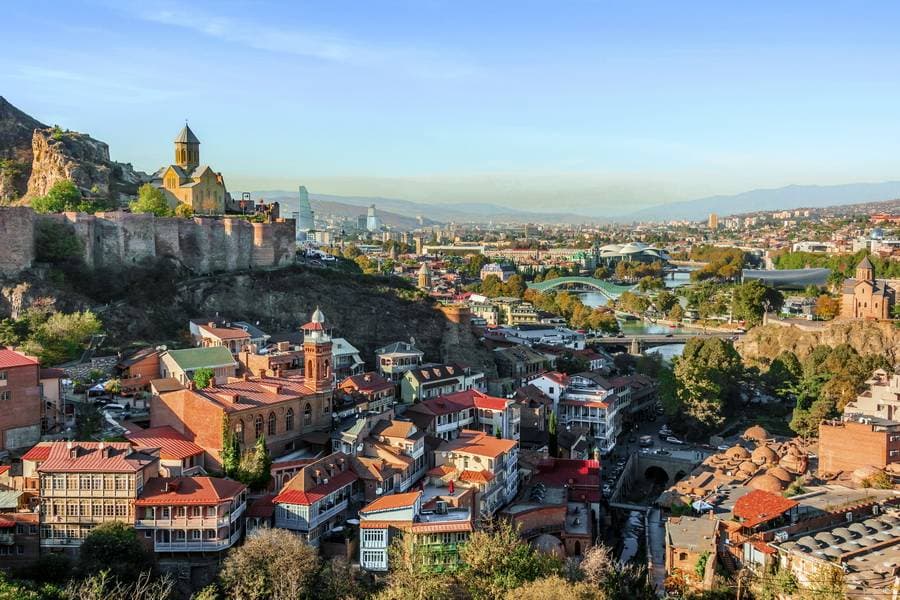
Georgia — the Caucasus country between Europe and Asia, not the American state — has a climate as diverse as its landscape. Tbilisi bakes at 38°C in August while Kazbegi sits at a crisp 15°C. The Black Sea coast stays mild year-round while Svaneti gets buried in meters of snow. Picking the right month isn't just about weather — it's about what you want to do.
The short answer: September and October are the best months for most travelers. The long answer is the rest of this article.
At a Glance: Month-by-Month Summary
| Month | Avg Temp (Tbilisi) | Weather | Crowds | Best For | Rating |
|---|---|---|---|---|---|
| January | 1°C / 34°F | Cold, snow in mountains | Very Low | Skiing, budget travel | ⭐⭐ |
| February | 3°C / 37°F | Cold, some snow | Very Low | Skiing, Tbilisoba leftovers | ⭐⭐ |
| March | 8°C / 46°F | Cool, rainy | Low | City exploration, early spring | ⭐⭐⭐ |
| April | 14°C / 57°F | Mild, wildflowers | Low-Medium | Hiking starts, wildflowers | ⭐⭐⭐⭐ |
| May | 19°C / 66°F | Warm, green | Medium | Hiking, sightseeing, festivals | ⭐⭐⭐⭐⭐ |
| June | 24°C / 75°F | Warm-hot | Medium-High | Mountains, beaches open | ⭐⭐⭐⭐⭐ |
| July | 27°C / 81°F | Hot in lowlands | High | Mountains, Black Sea | ⭐⭐⭐⭐ |
| August | 27°C / 81°F | Hot, dry | High | Mountains, beaches | ⭐⭐⭐ |
| September | 22°C / 72°F | Warm, clear | Medium-High | Wine harvest, hiking | ⭐⭐⭐⭐⭐ |
| October | 15°C / 59°F | Cool, fall colors | Medium | Wine harvest, fall foliage | ⭐⭐⭐⭐⭐ |
| November | 8°C / 46°F | Cool, rainy | Low | Budget travel, fewer crowds | ⭐⭐⭐ |
| December | 3°C / 37°F | Cold, festive | Low | Christmas markets, skiing starts | ⭐⭐⭐ |
Ratings reflect overall travel conditions for general sightseeing. Skiing travelers should flip these — January-February are peak.
Spring (March – May)
March: The Slow Awakening
Tbilisi: 2-13°C | Kazbegi: -6 to 3°C | Batumi: 6-13°C
March in Georgia is early spring in the lowlands and still winter in the mountains. Tbilisi starts warming up but rain is common. The Georgian Military Highway to Kazbegi may still have snow closures (the Cross Pass at 2,379m is the bottleneck). Vardzia and lowland sites are accessible.
Pros: Rock-bottom prices. No crowds. Tbilisi feels like a local city, not a tourist destination. Cons: Limited mountain access. Gray skies. Some guesthouses in rural areas are closed for the season.
Events: International Women's Day (March 8) is a big deal — flowers everywhere.
April: Wildflower Season Begins
Tbilisi: 8-19°C | Kazbegi: -2 to 8°C | Batumi: 10-17°C
April is when Georgia turns green. The valleys below Tbilisi explode with wildflowers — poppies, irises, wild orchids. The Vashlovani area in eastern Georgia is spectacular. Kazbegi is still cold but the road is usually open.
Pros: Wildflowers, pleasant temperatures, shoulder-season prices. Easter (Orthodox, usually April/May) brings colorful traditions. Cons: Rain is still frequent. Higher mountains are inaccessible. Weather is unpredictable — you might get summer one day and winter the next.
Georgia follows the Orthodox calendar. Easter often falls in April or early May, later than Western Easter. Tbilisi during Orthodox Easter is special — midnight church services, red-dyed eggs, supra feasts. Check dates for your travel year.
May: The Sweet Spot Begins
Tbilisi: 13-25°C | Kazbegi: 3-13°C | Batumi: 14-21°C
May is excellent. Warm but not hot. Green everywhere. Hiking trails are opening up. Mountain passes are clearing. Tourist numbers are growing but haven't peaked. Guesthouses and restaurants are all open and eager for the season.
Pros: Near-perfect weather in lowlands. Everything is open. Prices haven't peaked. Longest daylight hours approaching. Cons: Some high-altitude trails (Svaneti treks above 3,000m) may still have snow patches. Early May can be rainy.
Events: Independence Day (May 26) — parades in Tbilisi. Art-Gene Festival at Tbilisi Open Air Museum of Ethnography.
Summer (June – August)
June: Mountain Season Opens
Tbilisi: 18-30°C | Kazbegi: 7-18°C | Batumi: 18-25°C
June is the start of prime hiking season. Tusheti — Georgia's most remote and dramatic mountain region — becomes accessible as the Abano Pass (2,926m, unpaved, terrifying, unforgettable) opens. Svaneti's trails are clear. The Black Sea coast is warm enough for swimming.
Pros: All regions accessible. Perfect mountain weather. Long days (15+ hours of daylight). Tusheti opens. Cons: Tbilisi starts getting uncomfortably hot by late June. Tourist numbers ramp up. Black Sea coast gets busy on weekends.
Best for: Hikers, adventure travelers, mountain enthusiasts.
July: Peak Heat, Peak Mountains
Tbilisi: 22-34°C | Kazbegi: 10-21°C | Batumi: 21-27°C
July is hot in the lowlands. Tbilisi regularly hits 35°C+ and sightseeing in the middle of the day is punishing. But the mountains are glorious — Kazbegi, Svaneti, and Tusheti are at their best. The Black Sea coast is in full summer mode.
Pros: Best mountain conditions. Everything is open. Beach season is strong. Tbilisi's rooftop bars and nightlife peak. Cons: Tbilisi heat is intense. Peak tourist season means higher prices and crowded sites. Batumi gets packed with regional tourists.
July-August in Tbilisi is genuinely hot. If heat bothers you, plan indoor activities (museums, wine bars, sulfur baths) for midday and sightsee early morning or late afternoon. Or skip Tbilisi and head straight to the mountains.
August: The Hottest Month
Tbilisi: 22-34°C | Kazbegi: 9-20°C | Batumi: 22-28°C
Similar to July but drier. Late August starts cooling slightly. The Svaneti region is at peak beauty. Tbilisi empties somewhat as locals head to the coast or mountains. Batumi is packed — it's the summer escape for Georgians, Turks, and Armenians.
Pros: Reliable weather. Mountain conditions are excellent. Late August starts feeling like early autumn — pleasant. Cons: Hottest month in Tbilisi. Highest prices. Batumi is overcrowded. Some hiking trails are dusty and dry.
Events: Tbilisoba preparations begin. Various local festivals in mountain villages.
Autumn (September – October)
September: The Best Month to Visit Georgia
Tbilisi: 17-28°C | Kazbegi: 5-16°C | Batumi: 19-26°C
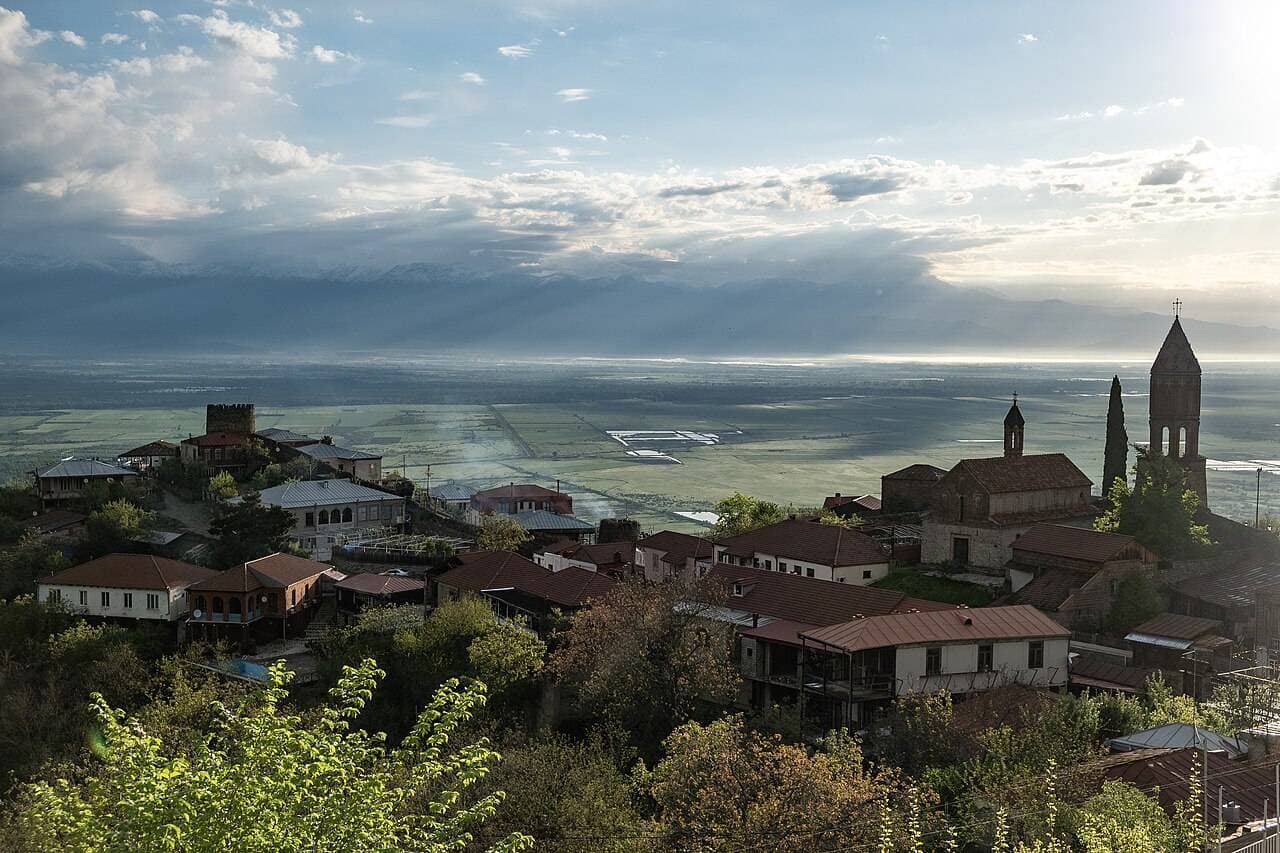
If we had to pick one month, it's September. The summer heat breaks. The wine harvest (rtveli) begins in Kakheti — one of the most authentic cultural experiences you can have in Georgia. Families gather to pick grapes, crush them by foot, and feast for days. Many wineries welcome visitors to participate.
The mountains are still accessible, the light turns golden, and tourist numbers drop from the July-August peak.
Pros: Perfect temperatures. Wine harvest. Clear skies. Fewer crowds than summer. Fall colors starting in the mountains. Cons: It's becoming known as the best month, so it's getting busier. Some mountain guesthouses start closing late September.
Events: Rtveli (wine harvest) across Kakheti. Tbilisoba festival (usually late October, but preparations and local harvest festivals happen throughout September).
October: Harvest and Fall Colors
Tbilisi: 11-21°C | Kazbegi: 1-11°C | Batumi: 15-22°C
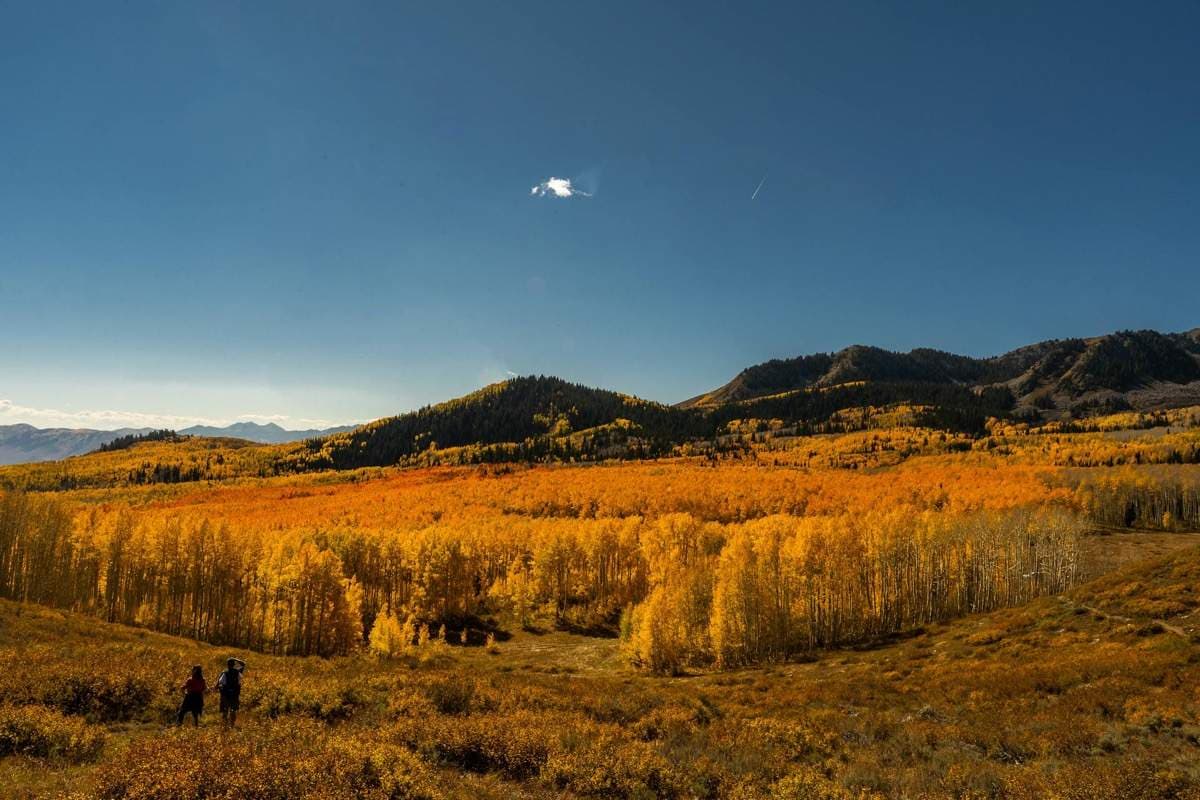
October is harvest month. The grape crush continues, the markets overflow with pomegranates and persimmons, and the forests turn amber and gold. Early October is warm; late October gets crisp. The mountains are cold at night — frost is common above 2,000m.
Pros: Fall foliage. Wine harvest continues. Great food (seasonal produce peaks). Tbilisoba festival. Cons: Mountain weather becomes unreliable. Some high-altitude roads close. Days shorten noticeably. Rain increases late in the month.
Events: Tbilisoba (late October) — Tbilisi's biggest annual festival. Street food, concerts, traditional crafts, wine flowing freely. If you can time your trip for Tbilisoba weekend, do it.
The September-October wine harvest in Kakheti is not a tourist event — it's how Georgia has made wine for 8,000 years. If you visit during rtveli, your guesthouse host will almost certainly invite you to help pick grapes and join the family supra (feast). Say yes.
Ready to Experience Georgia?
Join our 8-day small group tour through Georgia. From Tbilisi to Kazbegi to Kakheti wine country. Max 10 guests.
Winter (November – February)
November: The Quiet Season
Tbilisi: 4-12°C | Kazbegi: -4 to 4°C | Batumi: 10-17°C
November is gray and drizzly. Tourist numbers drop sharply. This is a month for Tbilisi-focused trips — museums, restaurants, wine bars, sulfur baths, and unhurried exploration. Mountain regions are entering winter mode and many rural guesthouses close.
Pros: Lowest prices. No crowds at all. Tbilisi restaurants and cultural life don't slow down. Cons: Short days. Rain. Mountains largely off-limits. The mood is melancholy (some find this atmospheric, others depressing).
December: Festive and Cold
Tbilisi: 1-7°C | Kazbegi: -8 to 0°C | Batumi: 6-12°C
December brings holiday atmosphere. Georgia celebrates both New Year (January 1) and Orthodox Christmas (January 7), so the festive season stretches for weeks. Tbilisi's Rustaveli Avenue gets decorated, and the city has an appealing winter charm. Gudauri ski season typically opens mid-December.
Pros: Festive atmosphere. Skiing opens. Tbilisi in snow is beautiful. Low prices (except New Year's week). Cons: Cold. Limited daylight. Mountain roads are treacherous or closed.
Events: New Year's preparations. Early ski season at Gudauri and Bakuriani.
January: Deep Winter
Tbilisi: -2 to 5°C | Kazbegi: -10 to -2°C | Batumi: 4-10°C
Georgia's coldest month. Tbilisi occasionally dips below -10°C during cold snaps, though -2 to 5°C is more typical. Mountain regions are locked in winter. But for skiers, this is prime time.
Pros: Best skiing conditions at Gudauri and Bakuriani. Rock-bottom prices. Orthodox Christmas (January 7) is a beautiful cultural experience — church services, Alilo processions, feasting. Cons: Very cold. Many rural areas are inaccessible. Shortest days.
Events: Orthodox Christmas (January 7) and Baptism (January 19) — both marked by religious processions and family gatherings.
February: Late Winter
Tbilisi: -1 to 7°C | Kazbegi: -9 to -1°C | Batumi: 5-11°C
February is similar to January but with slightly longer days. Skiing is still excellent — often the best snow depth of the season. The first hints of spring appear at lower elevations by late February.
Pros: Great skiing. February is often the best powder month at Gudauri. Tbilisi starts waking up. Cons: Still cold. Still limited outside the cities. Muddy in lowlands as snow melts.
Regional Weather Differences
Georgia is small (about the size of Ireland) but its climate varies dramatically by region:
Tbilisi and Eastern Lowlands (Kakheti): Continental climate. Hot summers, cold winters. The driest part of the country. July-August highs regularly exceed 35°C. January lows can reach -5°C. Best: May, June, September, October.
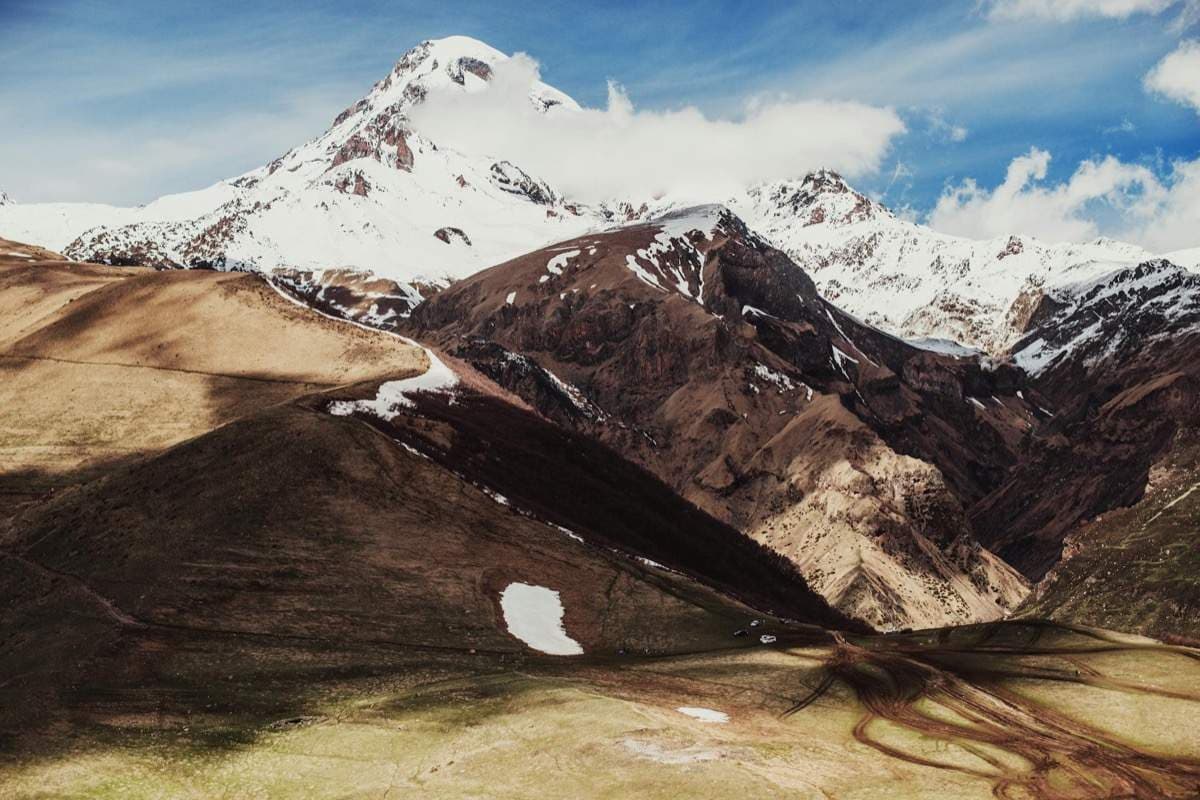
Greater Caucasus Mountains (Kazbegi, Svaneti, Tusheti): Alpine climate. Cool summers (15-20°C), brutal winters (-20°C possible). Snow from November through May at higher elevations. Best: June through September. Most mountain passes and guesthouses are closed October to May.
Black Sea Coast (Batumi, Kobuleti): Subtropical. Warm year-round, very rainy (Batumi gets 2,500mm of rain annually — more than London). Mild winters (rarely below 5°C), warm humid summers. Best: June through September for beach weather, but expect afternoon showers.
Southern Georgia (Vardzia, Borjomi): Moderate continental. Borjomi sits in a forested gorge and is cooler than Tbilisi. Vardzia's location is semi-arid. Both are accessible year-round, though winter can bring snow. Best: April through October.
Georgia has two mountain ranges acting as climate walls. The Greater Caucasus blocks cold air from Russia. The Lesser Caucasus creates rain shadow effects. Result: you can drive 2 hours and change climate zones completely.
What to Wear: Season by Season
Spring (March-May): Layers. A warm jacket for mornings, T-shirt for afternoons. Rain jacket essential. Waterproof shoes for April showers. See our full Georgia packing guide for a complete checklist.
Summer (June-August): Light clothing for cities. Sun protection mandatory — Georgia's UV is strong at altitude. Always pack a fleece or light jacket for mountains, even in July. Swimwear for coast and lakes.
Autumn (September-October): Similar to spring. Layers, rain jacket, comfortable walking shoes. Early September is still warm (T-shirt weather in Tbilisi); late October requires a proper jacket.
Winter (November-February): Warm coat, thermal layers, waterproof boots. Ski gear if heading to Gudauri. Tbilisi in winter needs a real winter coat — the wind in the Mtkvari river valley cuts through everything.
Festivals Worth Timing Your Trip Around
- Orthodox Easter (usually April/May) — religious celebrations, feasts, painted eggs
- Independence Day (May 26) — parades, concerts in Tbilisi
- Rtveli / Wine Harvest (September-October) — grape picking, winemaking, supras
- Tbilisoba (late October) — Tbilisi's biggest celebration, city-wide food and music festival
- Orthodox Christmas (January 7) — Alilo processions, church services, family feasts
- New Year (January 1) — massive celebrations, fireworks, feasting
The Bottom Line
| Your Priority | Best Months |
|---|---|
| Everything (best all-around — see our 8-day itinerary) | September, May |
| Wine & harvest | September, October |
| Hiking & mountains | June, July, August |
| Budget travel | November, March, January |
| Skiing | January, February, December |
| Beaches | July, August |
| Avoiding crowds | November, March, April |
| Photography | October (fall colors), June (green + snow peaks) |
Visit During the Harvest
September and October are special in Georgia. The wine harvest isn't just an event — it's the heartbeat of the country's oldest tradition. The weather is ideal, the landscapes glow, and every meal feels like a celebration.
Our Grand Highlights tour runs Sep-Oct — perfect harvest season timing. Check available dates →
Prefer to explore independently? Rent a car for your travel dates →