
Complete Guide to Georgia's Wine Country: Kakheti Region
Before we dive in: this is about Georgia the country — the one nestled in the Caucasus Mountains between Europe and Asia, where people have been making wine for roughly 8,000 years. Not the US state. (Though Dahlonega is nice too.)
If you care about wine at all, Kakheti will rearrange your understanding of it. This isn't Napa with a different accent. It's the place where wine began — where grapes are still fermented in clay vessels buried underground, where families measure their wealth in vines, and where refusing a glass is borderline rude.
Here's everything you need to plan your visit.
Why Kakheti Matters
Kakheti produces roughly 85% of all Georgian wine. But the numbers aren't the point. What matters is that this region has been making wine continuously for approximately 8,000 years — the longest unbroken winemaking tradition on Earth.
Archaeological evidence from Gadachrili Gora (just outside Kakheti) shows Neolithic Georgians were cultivating grapes and fermenting wine around 6000 BC. That's 5,000 years before the Romans planted their first vineyard.
Today, Kakheti is home to:
- Over 500 grape varieties (Georgia has 525+ indigenous varieties — more than France)
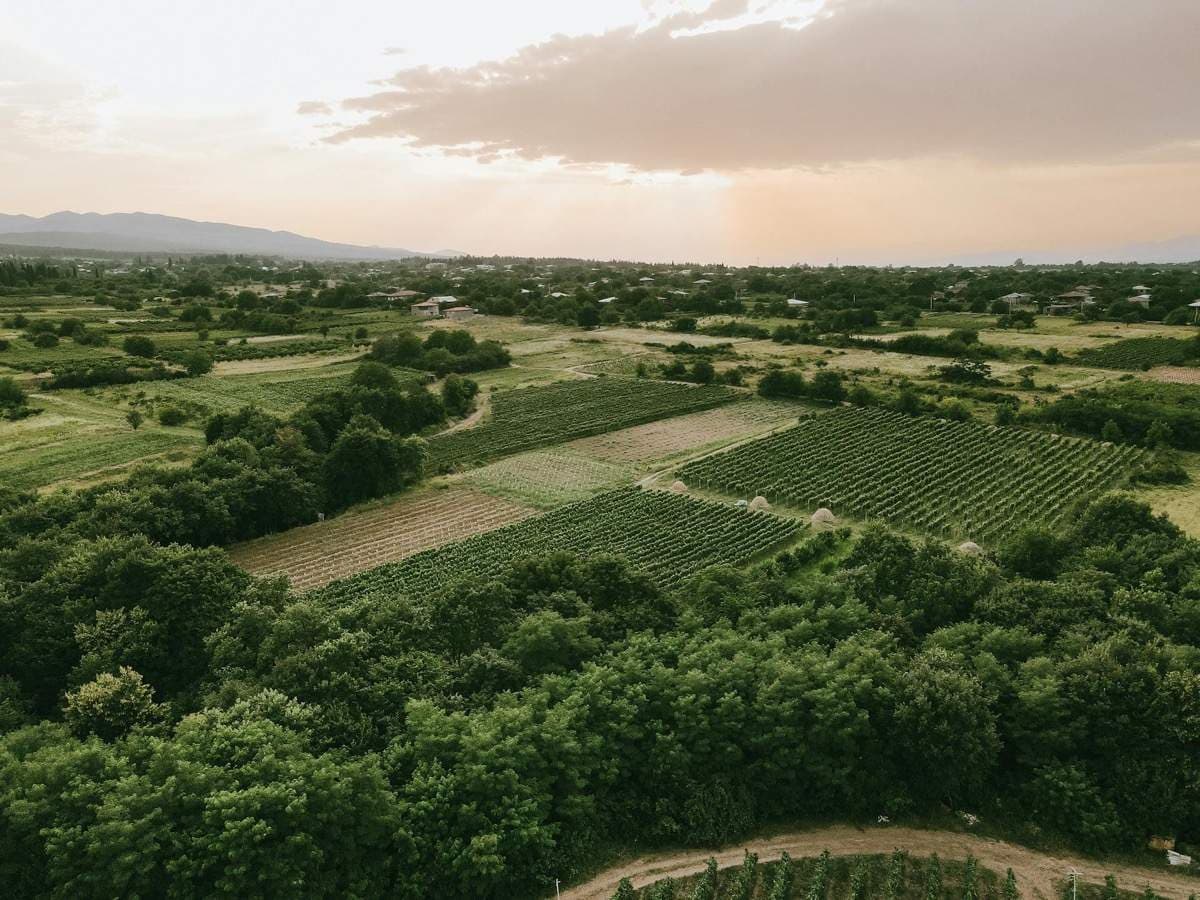
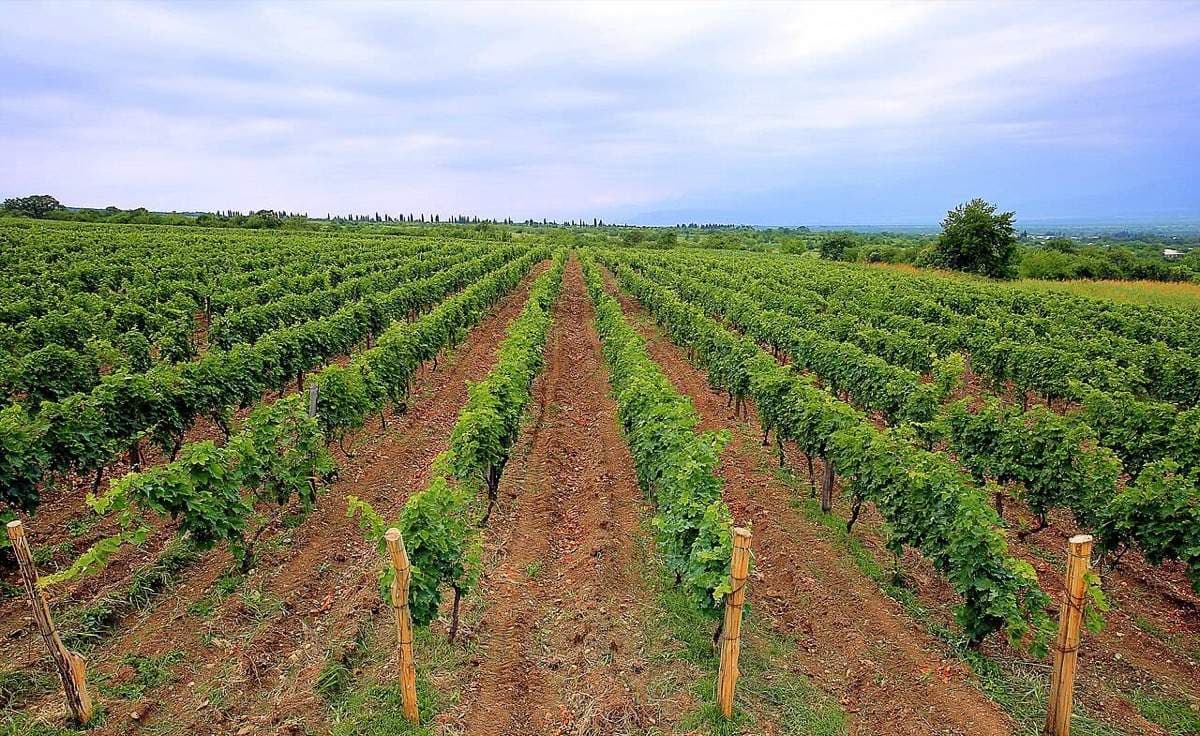
- The Alazani Valley, one of the most beautiful wine landscapes you'll ever see
- Dozens of family wineries that have operated for generations
- The living tradition of qvevri winemaking, a UNESCO Intangible Cultural Heritage
Georgia isn't just old wine country — it's arguably THE original wine country. The Georgian word "ğvino" (ღვინო) is believed to be the etymological root of "wine," "vino," and "vin" across European languages.
Getting to Kakheti from Tbilisi
Kakheti is surprisingly close to the capital:
By Car/Private Driver
- Tbilisi to Sighnaghi: 1.5–2 hours (110 km) via the S5 highway
- Tbilisi to Telavi: 2–2.5 hours (95 km) via Gombori Pass — stunning mountain road
- A private driver for a full day in Kakheti costs 150–250 GEL ($55–93)
By Marshrutka (Minibus)
- To Sighnaghi: Departs from Samgori metro station, 10 GEL ($4), roughly every 2 hours
- To Telavi: Departs from Ortachala bus station, 10 GEL ($4), hourly
- Journey times are similar to driving, but you're at the mercy of the schedule
By Organized Tour
- Day tours from Tbilisi run $30–60 per person and hit 2–3 wineries plus Sighnaghi
- Multi-day tours let you go deeper into the valley and visit smaller producers
If you're driving yourself, take the Gombori Pass to Telavi (beautiful but winding), then return via the flatter highway through Sighnaghi. Best of both routes.
The Two Main Towns
Sighnaghi — The City of Love
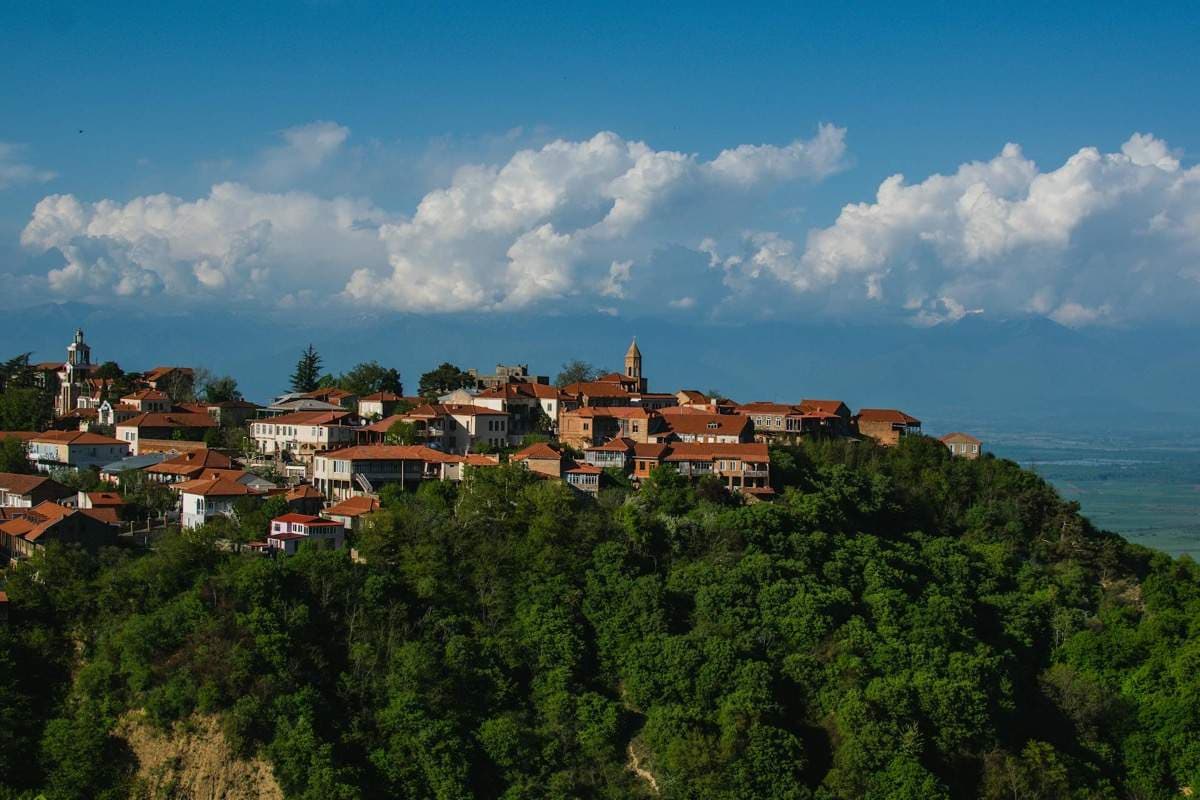
Perched on a hilltop overlooking the Alazani Valley with the snow-capped Caucasus as backdrop, Sighnaghi is absurdly photogenic. It's tiny — you can walk the whole town in 30 minutes — but packed with charm.
Why visit:
- The town walls are intact, with watchtowers you can climb for panoramic views
- Bodbe Monastery, resting place of St. Nino (who brought Christianity to Georgia), is a 2 km walk downhill
- The town has a 24-hour marriage registration office — hence the "City of Love" nickname
- Several excellent small wineries are within walking distance
- The Sighnaghi Museum has a surprising collection of Pirosmani paintings
The vibe: Romantic, quiet, slightly touristy on weekends. Perfect for a night or two.
Where to eat: Pheasant's Tears wine bar (run by American-Georgian winemaker John Wurdeman) is the standout. Reservations recommended.
Telavi — The Regional Capital
Telavi is larger, more practical, and less postcard-perfect than Sighnaghi — but it's the working heart of Kakheti's wine industry. Most serious wineries are within 30 minutes of here.
Why visit:
- Tsinandali Estate: The historic palace of the Chavchavadze family, with a wine museum and gorgeous gardens
- Telavi's old plane tree: An 800-year-old tree in the town center. It's enormous.
- Better access to Alaverdi Monastery and the major winery clusters
- More authentic local atmosphere — fewer tourists, more daily life
The vibe: Practical, lived-in, a good base for serious wine exploration.
The Qvevri Method: Wine Made Underground
You can't understand Kakheti without understanding qvevri (kvevri). Here's how it works:
-
The vessel: A qvevri is a large egg-shaped clay pot, holding anywhere from 300 to 3,000 liters. They're handmade by specialized craftsmen — a dying art.
-
Burial: The qvevri is buried underground up to its neck, usually in a dedicated wine cellar called a marani. The earth provides natural temperature regulation — a constant 14–15°C year-round.
-
Fermentation: Crushed grapes — juice, skins, stems, and seeds (the whole cluster for amber wines) — go into the qvevri. Wild yeast on the grape skins starts fermentation naturally. No added yeast, no temperature-controlled steel tanks.
-
Skin contact: This is the key difference. While European whites typically separate juice from skins immediately, Georgian amber wines ferment with full skin contact for 5–6 months. This creates that distinctive deep golden-amber color and tannic structure.
-
Sealing: After fermentation, the qvevri is sealed with a stone lid and beeswax, then left for 5–6 months.
-
The result: Wines with more complexity, body, and tannin than conventional wines. Georgian amber wines (sometimes called "orange wines" elsewhere) have become darlings of the natural wine movement worldwide.
In 2013, UNESCO inscribed the qvevri winemaking method as an Intangible Cultural Heritage of Humanity — recognizing it as a living tradition, not just a historical curiosity.
Key Grape Varieties to Know
Before you go tasting, learn these names:
Reds
- Saperavi: The king of Georgian reds. Deep, dark, tannic, ages beautifully. The only teinturier grape widely used for fine wine — meaning even the flesh is red, not just the skin. Expect dark fruit, spice, and structure.
- Tavkveri: Lighter than Saperavi, often made into a rosé-style wine. Fresh, floral, easy-drinking.
Whites (and Ambers)
- Rkatsiteli: The most planted grape in Georgia. As a conventional white, it's crisp and minerally. Fermented in qvevri with skins, it becomes a rich, textured amber wine with notes of dried apricot, walnut, and honey.
- Mtsvane: "Green one" in Georgian. Often blended with Rkatsiteli. Floral, aromatic, more delicate. Beautiful as both a white and amber wine.
- Kisi: Rare and increasingly prized. Makes elegant amber wines with notes of ripe peach, chamomile, and spice.
- Khikhvi: Another rare variety being revived. Rich and honeyed, often with tropical fruit notes.
Don't leave Kakheti without trying a qvevri-aged Rkatsiteli. It tastes nothing like any white wine you've had — it's the closest thing to understanding what makes Georgian wine fundamentally different.
Wineries Worth Visiting
Family/Boutique Wineries
1. Pheasant's Tears (Sighnaghi) Founded by American painter John Wurdeman and Georgian winemaker Gela Patalishvili. Their wines are some of Georgia's best — available in top natural wine bars worldwide. The tasting room in Sighnaghi doubles as a restaurant. Try the Rkatsiteli and Tavkveri.
2. Nika Winery (Kondoli, near Sighnaghi) Nika Bakhia runs a small, passionate operation. Everything is qvevri-fermented, organic, and made with obsessive care. Call ahead — this isn't a walk-in operation, but visits are unforgettable.
3. Twins Wine Cellar (Napareuli) Brothers run this operation with 52 qvevri and over 50 grape varieties. They offer tours, tastings, and a full traditional meal. One of the easiest quality wineries to visit without advance planning.
4. Orgo Wine (Sighnaghi area) Minimal-intervention wines that have gained international recognition. Small production, high quality. The winemaker is usually around to chat.
5. Lapati Wines (Telavi area) Tiny family operation. Grandmother's recipes, grandfather's qvevri. The kind of place where you sit in the garden, taste from the qvevri, and eat whatever the family is cooking. No website, no Instagram — ask locally.
Larger/Historic Wineries
6. Tsinandali Estate (Tsinandali) The Chavchavadze family estate, now a museum. Beautiful grounds, historic cellars, and a wine collection dating to the 19th century. More polished and tourist-friendly. Good for context and history.
7. Shumi Winery (Tsinandali) Commercial but excellent — they maintain a vineyard with 300+ grape varieties, essentially a living library of Georgian viticulture. Great educational visit.
8. Kindzmarauli Corporation (Kvareli) If you want to understand the commercial side of Georgian wine, this is the place. They produce Kindzmarauli — a naturally semi-sweet red that's Georgia's most popular wine style domestically.
Wine Tasting Etiquette in Georgia
Georgian wine culture has its own unwritten rules:
- Don't sip and spit. This isn't Bordeaux. When someone offers you wine, you drink it. Spitting is seen as disrespectful at family wineries.
- Toast properly. If your host raises a glass and makes a toast, listen. Respond. Drink. Georgian toasting culture is serious and beautiful.
- Accept the chacha. Chacha is Georgian grape brandy — it will appear. It's rude to refuse entirely, but a small sip is fine if you can't handle it.
- Eat between tastings. There will be food. Eat it. Georgian wine is meant to be consumed with food — tasting on an empty stomach is both impractical and culturally off.
- Ask about the qvevri. Nothing makes a Georgian winemaker happier than showing you their qvevri. Ask to see the marani (cellar). Ask how old the vessels are. Ask about their grandfather's methods.
Georgian hospitality is generous and relentless. At family wineries, you will be offered far more wine (and chacha) than you planned to drink. Pace yourself, especially if you're visiting multiple wineries in a day.
Best Time to Visit
Peak Season: September–October (Rtveli / Harvest)
Rtveli is the annual grape harvest, and it transforms Kakheti. Families pick grapes together, crush them, fill the qvevri, and feast. If you can time your visit for late September to mid-October, you'll see winemaking happen in real time.
- Vineyards are at their most beautiful (golden leaves, heavy clusters)
- You can participate in grape picking and crushing at some wineries
- Festivals and celebrations happen across the region
- Downside: It's the busiest time. Book accommodation well in advance.
Shoulder Season: May–June & Late October–November
- Warm, pleasant weather
- Fewer crowds
- May–June: vineyards are lush and green, wildflowers everywhere
- Late October–November: autumn colors, post-harvest calm, some wineries still processing
Off-Season: December–March
- Cold but atmospheric
- Very few tourists
- Some smaller wineries may not accept visitors
- Good time for Tbilisi + a quick day trip to Sighnaghi
Where to Stay in Kakheti
In Sighnaghi:
- Kabadoni Hotel — Boutique hotel with Alazani Valley views. $60–100/night
- Zandarashvili Guesthouse — Family-run, incredible food, $25–40/night
- Multiple Airbnbs with valley views for $30–50/night
In Telavi:
- Old Telavi Hotel — Central, comfortable. $40–60/night
- Rcheuli Marani — Stay at a working winery. $50–80/night
In the Valley:
- Several wineries offer accommodation — sleeping where the wine is made is peak Kakheti experience
Where to Eat
- Pheasant's Tears (Sighnaghi) — Georgian-international fusion with their own wines. Reserve ahead.
- Shin da Gori (Sighnaghi) — Traditional Kakhetian food, enormous portions, valley views
- Kapiloni (Telavi) — No-frills, authentic, what locals eat. The mtsvadi (grilled meat) is exceptional.
- Any guesthouse — Seriously. Guesthouse dinners in Kakheti are often the best meals of the trip. Ask your host.
Day Trip vs. Multi-Day
Day Trip from Tbilisi
- Feasible but rushed. You'll get 2–3 wineries and either Sighnaghi or Telavi, not both.
- Best for: travelers with limited time who want a taste (literally) of wine country
- Leave early (8–9 AM), return late (7–8 PM)
2–3 Days (Recommended)
- Overnight in Sighnaghi, day trip to Telavi and valley wineries
- Time for 4–6 wineries, both towns, and a proper supra dinner
- This is the sweet spot for most visitors
4+ Days
- For serious wine enthusiasts. Visit smaller producers, explore the Tusheti road, hike to David Gareja monastery
- You'll go beyond the tourist circuit and into real Kakheti
Days 6-7 of our tour are a deep dive into Kakheti — including 3 family wineries and a traditional supra feast. Explore the wine days →
If you're wondering how Georgia's wine scene stacks up against the world's famous regions, see our case for Georgia as the most underrated wine destination on earth.
Ready to Experience Georgia?
Join our 8-day small group tour through Georgia. From Tbilisi to Kazbegi to Kakheti wine country. Max 10 guests.