
Sighnaghi & Kakheti Wine Country Guide: Georgia's Heart of Wine & Love
Kakheti — the wine-soaked eastern region of Georgia (the country in the Caucasus, not the US state) — is where 8,000 years of winemaking tradition meets some of the most beautiful landscapes in Eastern Europe. Rolling vineyards backed by the snow-dusted Greater Caucasus, hilltop towns with terracotta roofs, wine tunnels carved into mountainsides, and family cellars where grandma still stomps grapes with her bare feet.
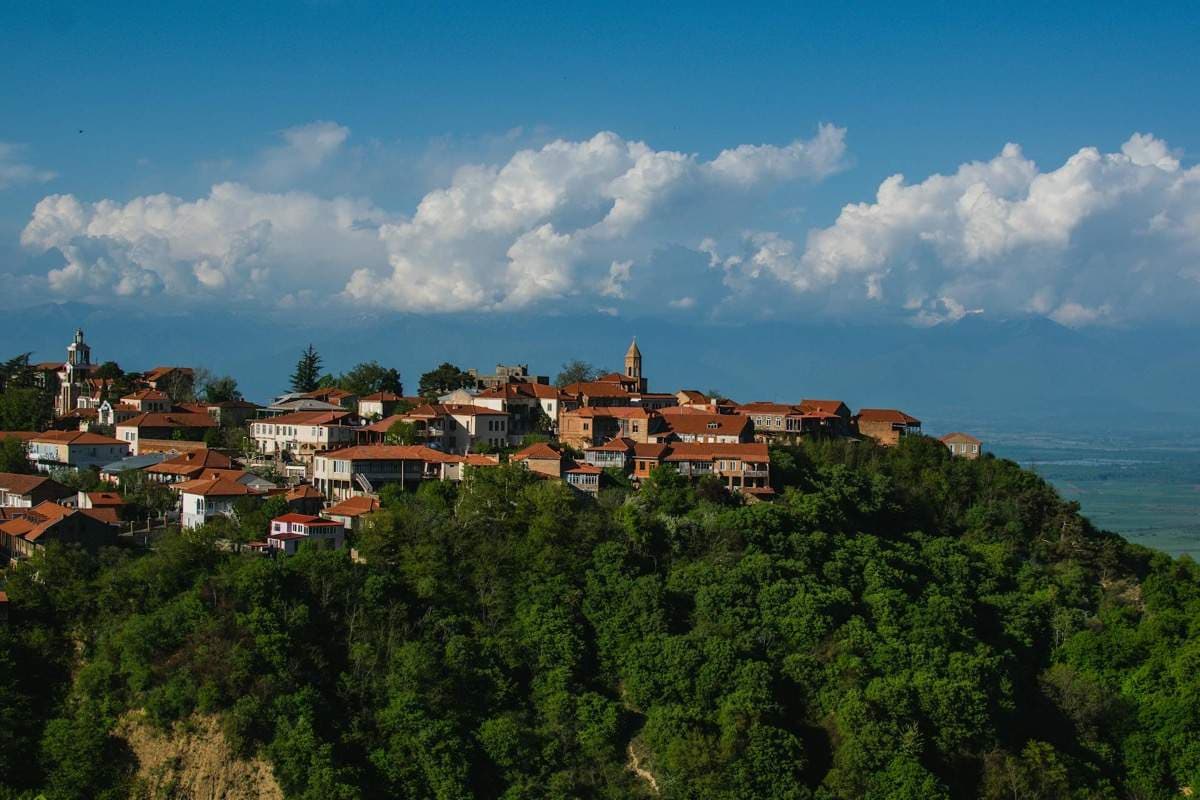
At the center of it all sits Sighnaghi (pronounced "sign-AH-gee"), a impossibly photogenic town perched on a hill overlooking the Alazani Valley. They call it the "City of Love" — couples come for the romantic views, wine lovers come for the qvevri wine, and anyone with a camera comes for the sunsets.
We've driven this route dozens of times and brought hundreds of guests through these wineries. Here's everything you need to know about visiting Sighnaghi and Kakheti wine country.
Why Kakheti Is Georgia's Wine Capital
Kakheti produces roughly 70% of Georgia's wine. This isn't a marketing claim — it's just geography. The combination of fertile river valleys (the Alazani and Iori), ideal microclimates, and grape varieties that grow nowhere else on earth makes Kakheti the undisputed wine region of the country.
But Georgian wine isn't what you're used to. The qvevri method — fermenting grape juice with skins, seeds, and stems in large clay vessels buried underground — is completely different from European winemaking. The result is amber (orange) wine with a tannic, complex character that's gained a cult following among natural wine enthusiasts worldwide. UNESCO recognized qvevri winemaking as an Intangible Cultural Heritage in 2013.
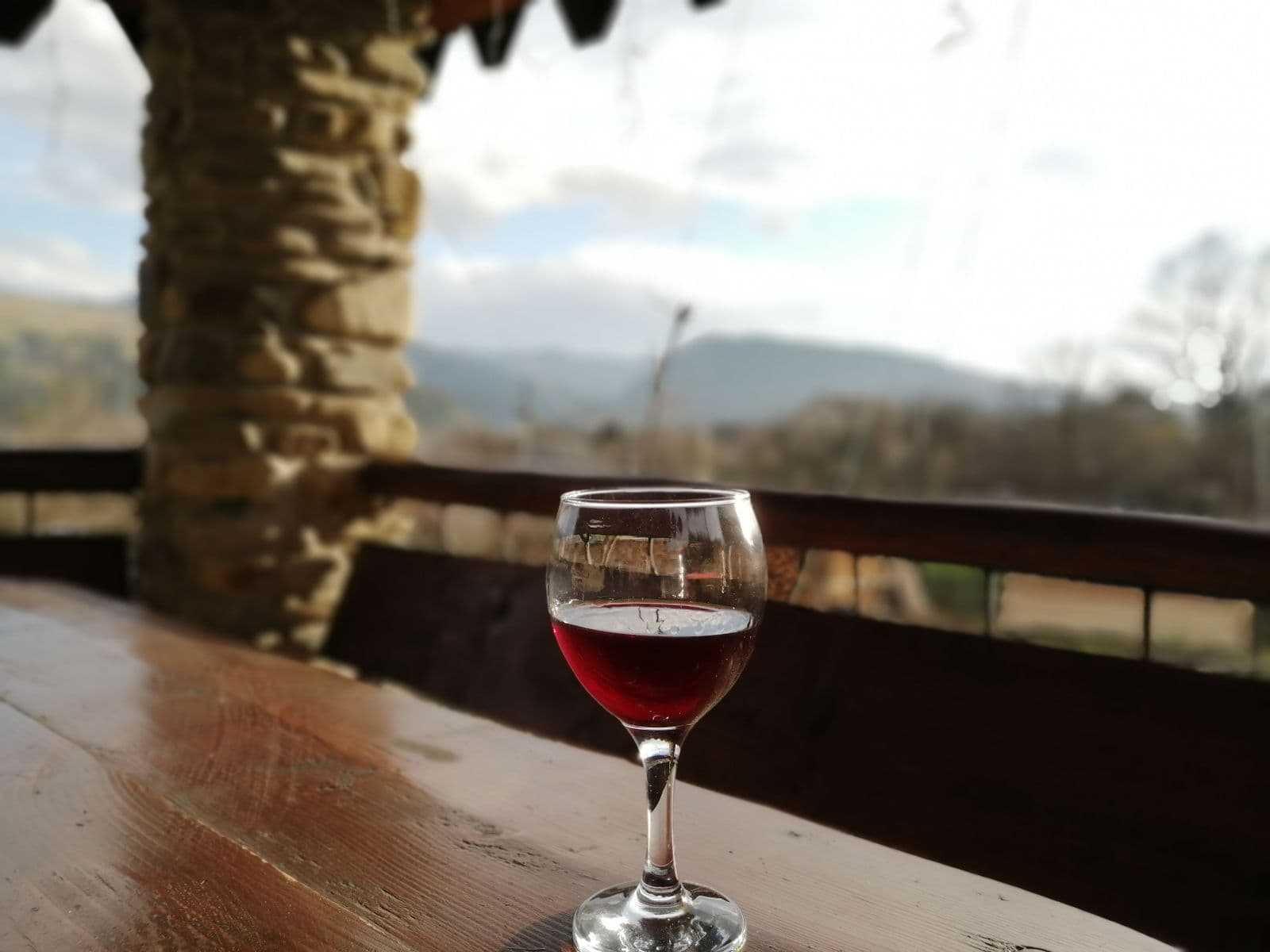
If you only do one wine-related thing in Georgia, make it a Kakheti winery visit. Context changes everything. Tasting Saperavi straight from the qvevri while looking at the vineyard it came from is a fundamentally different experience from reading a label in a shop back home.
How to Get to Sighnaghi from Tbilisi
Distance: 110 km (68 miles) Driving time: ~2 hours Road condition: Fully paved, good quality via S5 highway
Option 1: Rental Car (Most Flexible)
The drive from Tbilisi to Sighnaghi is straightforward. Head east on the S5 highway through the village of Rustavi, then follow signs to Sighnaghi. The road is well-maintained and the scenery improves dramatically once you cross into Kakheti — flat agricultural plains give way to rolling vineyards and mountain backdrops.
Parking in Sighnaghi: Free parking is available just outside the town walls. The historic center is pedestrian-friendly and small enough to explore entirely on foot.
Option 2: Marshrutka (Cheapest)
Minibuses depart from Didube Station in Tbilisi throughout the day (roughly every 1-2 hours, 7 AM–5 PM). The ride takes about 2.5 hours and costs approximately 10 GEL ($3.50). Marshrutkas drop you near the center of Sighnaghi.
Marshrutkas don't run on a strict schedule — they leave when they're full. Arrive early and be prepared to wait. The return journey requires finding the marshrutka driver in town (ask at any café where they wait).
Option 3: Private Driver or Tour ($50-80/day)
A driver eliminates navigation stress, doubles as a local guide, and lets you actually enjoy the wine tastings instead of worrying about driving back. For the full Kakheti experience (multiple wineries, lunch, Bodbe Monastery), this is what we recommend.
Our 8-day Grand Highlights tour includes a full day in Kakheti with curated winery visits, a supra feast, and a driver who knows every back road in the region. See the full tour →
Sighnaghi: The City of Love
Sighnaghi isn't large — you can walk from one end to the other in 20 minutes. But what it lacks in size, it makes up for in charm. The town sits on a fortified hill, its 18th-century walls rebuilt and the cobblestone streets polished smooth by centuries of foot traffic.
Sighnaghi Fortress Walls & Views
The restored fortress walls encircle the town and offer 360-degree views of the Alazani Valley, vineyards, and the Greater Caucasus mountains on clear days. Walk the entire perimeter — it takes about 30 minutes at a leisurely pace.
Best photo spots:
- The eastern wall viewpoint (facing the mountains, iconic shot)
- The tower near the main gate (terraced vineyards below)
- Sunset from any western-facing section (golden hour on the valley)
Visit the walls twice — once at sunrise and once at sunset. The morning light illuminates the Caucasus peaks; the evening light paints the valley in gold. Totally different vibes, both worth it.
Sighnaghi National Museum
Small but excellent, the Sighnaghi branch of the Georgian National Museum (on the main street, near the town center) houses archaeological finds from the region, ethnographic exhibits, and a solid collection of works by Niko Pirosmani, Georgia's most famous painter (the self-taught artist who inspired the song "Million Scarlet Roses").
Hours: 10 AM–5 PM, Tuesday–Sunday (closed Mondays) Entry: 7 GEL
Getting Married in Sighnaghi
Sighnaghi has an unusual claim to fame: it's one of the few towns in Georgia where you can get married 24/7 at the local registry office. The "House of Marriage" (or "House of Bravery," as some jokingly call it) issues marriage certificates any time, day or night, to locals and foreigners alike. It's become a quirky draw for spontaneous couples and elopements.
Don't expect a ceremony — it's paperwork, not a wedding. But the building itself is charming, and the story makes for a good travel anecdote.
Where to Eat in Sighnaghi
Pheasant's Tears
The most famous winery-restaurant in Kakheti, and arguably all of Georgia. Pheasant's Tears is the epicenter of Georgia's natural wine movement — they produce exceptional qvevri wines, run a guesthouse, and serve a set menu of traditional Kakhetian dishes made from ingredients grown on their own property.
What to order: The menu is fixed — you eat what they cook that day. It's always seasonal, always local, always excellent. Expect dishes like chakapuli (lamb stew with tkemali plums), fresh cheese, grilled vegetables, and their own wines (multiple pours, all natural).
Price: ~50 GEL per person for the full experience (food + wine) Reservations: Strongly recommended — book at least a day ahead, especially on weekends
Kabadoni
Upscale Georgian in a beautiful setting with panoramic valley views. Kabadoni is the restaurant of the Kabadoni Hotel and offers a more refined take on traditional dishes alongside a solid wine list.
What to order: Khinkali (excellent here), badrijani (eggplant rolls with walnut paste), and their Saperavi selection.
Price: 30-50 GEL per person
Bodbesi
Near the Bodbe Monastery (see below), Bodbesi is a casual family-run spot serving home-style Georgian food at very reasonable prices. The khachapuri here is top-tier.
Price: 15-25 GEL per person
Street Food & Bakeries
For a quick bite, look for tonis puri (bread baked in a clay oven) vendors and small bakeries around town. Fresh lobiani (bean-filled bread) costs 2-3 GEL and makes a great snack while you explore.
Best Wineries to Visit in Kakheti
Kakheti has hundreds of wineries, from massive commercial operations to family cellars in someone's backyard. Here's a curated list covering the range of experiences available.
Winery Khareba
What it is: One of Georgia's largest and most visible wine producers, Khareba operates a spectacular winery with wine tunnels carved 50 meters into a mountainside near Kvareli. The tunnels maintain a constant temperature year-round — perfect for aging.
Visit experience: Guided tour of the cellars and tunnels, tasting room with a wide range of their wines (qvevri and European-style), restaurant on-site, and a hotel for overnight stays.
Tour cost: 25 GEL (includes 5 wine tastings) Location: Kvareli, 40 minutes from Sighnaghi
Khareba is great for a first introduction to Georgian wine because of the sheer range on offer. You'll taste everything from crisp Rkatsiteli to deeply colored Saperavi to experimental blends. Tell the staff your preferences — they'll guide you.
Twins Wine Cellar
What it is: A small, family-run winery in the village of Tsinandali (near Telavi), operated by brothers (hence the name) carrying on their grandfather's qvevri tradition. Twins has been recognized by UNESCO and is a staple on wine tours through Kakheti.
Visit experience: Intimate, personal tastings in a courtyard setting surrounded by qvevri. The brothers or family members usually lead the tastings themselves, explaining the winemaking process and pouring generous samples. Expect 5-8 wines with cheese and bread.
Tour cost: 25-35 GEL (varies by tasting depth) Location: Tsinandali, 40 minutes from Sighnaghi
Pheasant's Tears Winery
Yes, the restaurant is also a winery. Their wines are served exclusively at their restaurant and guesthouse — you won't find them in shops. The qvevri wines here are among the best natural wines produced in Georgia today, full stop.
Visit experience: Tied to the restaurant experience (see above). Ask about their winemaking process — they're happy to explain the qvevri method in detail.
Chateau Mukhrani
What it is: A beautifully restored 19th-century aristocratic estate with a modern winery and vineyards. Chateau Mukhrani bridges the old-world European style and Georgian qvevri tradition.
Visit experience: Museum tour covering the history of the Mukhrani royal family and Georgian viticulture, cellar tour, wine tasting (both qvevri and European methods), and a restaurant. The estate itself is gorgeous — the architecture, the gardens, the cellars.
Tour cost: 25-40 GEL depending on the experience level Location: Mukhrani, about 1 hour from Sighnaghi (on the way back toward Tbilisi)
Family Cellars (The Hidden Gems)
Some of the best wine experiences in Kakheti aren't commercial wineries at all — they're family cellars in villages where winemaking has been a household tradition for generations. These are hard to find independently but easy to access with a local guide.
Look for signs saying "Marani" (wine cellar in Georgian) outside houses in villages. Or better yet, ask your driver or tour guide — they know the families who welcome visitors and pour the good stuff.
At family cellars, you'll often be invited to taste directly from the qvevri. The wine is unfiltered, unrefined, and unlike anything you've had before. Don't compare it to European wine — it's a different category entirely. Just enjoy it.
Bodbe Monastery
Location: 3 km outside Sighnaghi Entry: Free (donations welcome)
The Bodbe Monastery (St. Nino's Convent) is one of Georgia's most sacred sites — the burial place of St. Nino, the 4th-century saint who brought Christianity to Georgia. According to tradition, she chose this spot herself and asked to be buried here.
The monastery complex includes a beautifully maintained church with frescoes, a bell tower, and peaceful gardens. The grounds overlook the Alazani Valley and make a nice counterpoint to the wine-focused itinerary — a moment of quiet reflection between tastings.
A natural spring near the monastery is believed to have healing properties. Pilgrims come to drink and bathe in the water. You're welcome to join in.
Getting there: 10 minutes by car from Sighnaghi, or a pleasant 40-minute walk through countryside. Most marshrutkas and taxis from Sighnaghi can drop you here.
Women should cover their shoulders and knees when visiting Bodbe Monastery (standard practice for Georgian Orthodox churches). Scarves are usually available at the entrance if you don't have one.
Where to Stay in Sighnaghi
Sighnaghi is small enough that you can visit as a day trip from Tbilisi (2 hours each way), but staying overnight is worth it — the town empties out after day-trippers leave and the evening atmosphere is magical.
Budget ($15-30/night)
Guesthouses and B&Bs in and around Sighnaghi offer basic but clean rooms, often with home-cooked breakfast included. Look for options on Booking.com with good reviews — many are family-run and the hospitality is excellent.
Mid-Range ($40-80/night)
The Kabadoni Hotel is the standout mid-range option — modern, comfortable, with great valley views and an excellent restaurant on-site (see above). Several other boutique guesthouses have opened recently, offering a more refined experience than basic guesthouses.
Splurge ($100+/night)
Pheasant's Tears Guesthouse — the wine-focused experience. Rooms are simple but the wine and food more than compensate. You're staying here for the full Pheasant's Tears experience, not the thread count.
Rooms Hotel Sighnaghi — if/when it opens, the Rooms brand (known for their Tbilisi and Kazbegi locations) will be the luxury option in town.
Kakheti Beyond Sighnaghi
Sighnaghi is the crown jewel, but Kakheti extends well beyond this one town. If you have two days in the region, here's what else to see:
Telavi
The capital of Kakheti and the region's largest city (pop. ~20,000). Telavi is less polished than Sighnaghi but more authentic — a working city with a great central market, a fortress (the Batonis Tsikhe castle), and a growing restaurant scene.
Don't miss: The Telavi Market — one of the best in Georgia for cheese hunters. The cheese stalls here carry varieties you won't find in Tbilisi: aged tenili, smoked sulguni, fresh imeretian. Buy some to take home (it keeps for a few days unrefrigerated).
Tsinandali
A village 10 km from Telavi, famous for the Tsinandali Estate — the 19th-century palace of Prince Alexander Chavchavadze (the father of Georgian viticulture). The estate includes a palace museum, an expansive garden, and one of the oldest wineries in Kakheti.
Tsinandali Festival: An annual cultural festival (summer months) featuring classical music, theater, and wine in the estate's gardens.
Alazani Valley
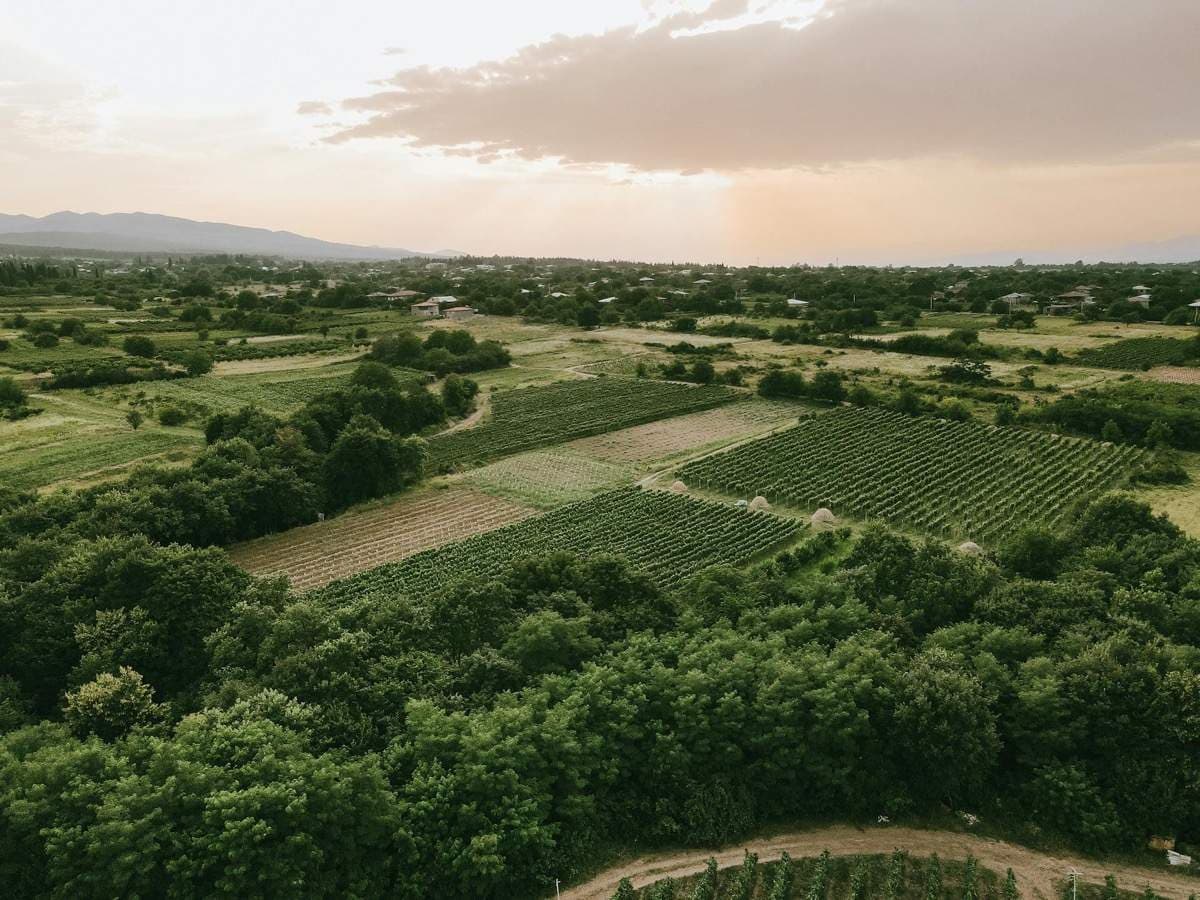
The fertile plain running east-west across Kakheti, backed by the Caucasus. The views from any elevated point — Sighnaghi's walls, a winery terrace, a guesthouse balcony — are stunning. On clear days, you can see the snow caps from the valley floor.
The Alazani Valley is also the setting for many of Kakheti's best vineyards. The river provides irrigation, the soil is ideal, and the microclimate (warm summers, mild winters) makes this one of the best grape-growing regions in the world.
Kakheti Wine Tasting: What to Expect
If you've only ever tasted European-style wines, Georgian wine tasting will be a revelation. Here's what to know:
The Qvevri Method
- Harvest: Grapes are hand-harvested in September–October (the Rtveli, or wine harvest, is a major cultural event)
- Crushing: Traditionally by foot in a large basin
- Fermentation: Grape juice, skins, seeds, and stems are all placed together in a qvevri (large clay vessel) buried underground
- Aging: The mixture ferments for 5-6 months, sealed with a wooden lid and clay
- Extraction: Wine is drawn from the top; the solids (called "chacha" when distilled) settle at the bottom
The result is a wine with significantly more tannin, color, and flavor complexity than European-style wines. White wines become amber/orange; red wines become deeply saturated and structured.
Key Grape Varieties
| Grape | Type | Flavor Profile |
|---|---|---|
| Saperavi | Red | Dark fruit, chocolate, tobacco, full-bodied, high acidity |
| Rkatsiteli | White/Amber | Dried apricot, honey, tannic, complex |
| Kisi | White/Amber | Citrus, floral, lighter than Rkatsiteli |
| Mtsvane | White | Green apple, herbal, crisp |
| Alexandrouli | Red | Lighter, semi-sweet, berry-forward |
Ask for "European-style" AND "qvevri-style" tastings of the same grape. The difference is remarkable — it's like tasting two different wines from the same grape.
How Much Does a Kakheti Wine Trip Cost?
| Category | Budget | Mid-Range | Comfortable |
|---|---|---|---|
| Transport (round trip from Tbilisi) | 20 GEL (marshrutka) | 100-160 GEL (driver) | 150-200 GEL (private driver) |
| Winery Tastings | 50-75 GEL (2-3 wineries) | 75-120 GEL (3-4 wineries) | 120-160 GEL (4-5 wineries + premium) |
| Food | 15-25 GEL | 30-50 GEL | 50-80 GEL |
| Accommodation | 20-30 GEL | 40-80 GEL | 100+ GEL |
| Total (1 day) | ~105-150 GEL | ~245-410 GEL | ~320-520 GEL |
1 USD ≈ 2.7 GEL. Prices based on 2025-2026 rates.
Winery tastings are generous — most include 5-8 wines plus cheese and bread. You can easily make a lunch-equivalent meal from tastings alone if you hit 3+ wineries. Factor this into your food budget.
Best Time to Visit Kakheti
For a detailed month-by-month breakdown, see our best time to visit Georgia guide.
- September–October (Rtveli / Wine Harvest): The absolute best time. The vineyards are active, the weather is warm but not hot, and many wineries welcome visitors to participate in the harvest. The Rtveli is a cultural experience — picking grapes, crushing them, and celebrating with the families who make wine their livelihood.
- May–June: Spring is beautiful — green vineyards, wildflowers, and fewer tourists. Some wineries may have limited availability before the main season starts.
- July–August: Hot in the valley (30°C+), but wineries are open and the evening atmosphere in Sighnaghi is lovely. Book winery visits for early morning or late afternoon.
- November–March: Quiet season. Many wineries are closed for visits (they're focused on production), but Sighnaghi itself is magical in snow and the guesthouses are emptier. A peaceful, contemplative experience.
Kakheti Wine Country Itinerary: 2 Days
Day 1: Sighnaghi & Surroundings
Morning: Drive from Tbilisi to Sighnaghi (2 hours). Arrive, drop bags at your guesthouse if staying overnight.
Mid-morning: Walk the Sighnaghi Fortress Walls — get oriented and take in the views.
Late morning: Visit the Sighnaghi National Museum (Pirosmani collection, archaeology).
Lunch: Pheasant's Tears — the full experience. Book ahead.
Afternoon: Visit 2 wineries near Sighnaghi — Winery Khareba (for the scale and tunnels) and a family cellar (for the intimacy). Your driver or guesthouse host can arrange the latter.
Evening: Dinner at Kabadoni. Sunset from the fortress walls. If it's a clear night, the stars over the Alazani Valley are extraordinary — minimal light pollution.
Day 2: Telavi, Tsinandali & Beyond
Morning: Drive to Telavi (40 minutes). Visit the Telavi Market for cheese hunting. Walk through Batonis Tsikhe fortress.
Midday: Continue to Tsinandali Estate (10 minutes from Telavi). Palace tour, garden walk, wine tasting.
Lunch: At Tsinandali or back in Telavi at a local restaurant.
Afternoon: Visit Twins Wine Cellar in Tsinandali for a qvevri tasting. Optionally stop at Chateau Mukhrani on the way back toward Tbilisi.
Evening: Return to Tbilisi (1.5 hours from Chateau Mukhrani).
Ready to Experience Georgia?
Join our 8-day small group tour through Georgia. From Tbilisi to Kazbegi to Kakheti wine country. Max 10 guests.
Day Trip from Tbilisi: Is It Enough?
Yes — a day trip to Kakheti from Tbilisi is entirely doable and rewarding. You won't have the relaxed pace of an overnight stay, but you can comfortably visit Sighnaghi, 2-3 wineries, and Bodbe Monastery in a single long day.
Realistic day-trip schedule:
- 7:00 AM: Leave Tbilisi
- 9:00 AM: Arrive Sighnaghi, walk the walls
- 10:30 AM: Bodbe Monastery
- 11:30 AM: First winery visit
- 1:00 PM: Lunch in Sighnaghi
- 2:30 PM: Second winery
- 4:00 PM: Third winery or free time in town
- 5:00 PM: Depart for Tbilisi
- 7:00 PM: Arrive back in Tbilisi
It's full, but it covers the highlights. If you want the deeper experience — more wineries, slower meals, time to just sit and drink wine on a terrace — add an overnight.
A guided day trip eliminates the logistics headache. You get a driver who knows the best wineries, a guide who translates with winemakers, and an itinerary optimized for the day. Plus, you can actually enjoy the wine instead of calculating whether you're okay to drive. See our 8-day tour which includes a full Kakheti day.
Tips for Visiting Kakheti
- Don't skip the amber wine: Even if you think you don't like orange wine, try Georgian amber wine in context. It's a different experience entirely.
- Eat while you taste: Georgian wineries almost always serve food with tastings — cheese, bread, sometimes full meals. Don't drink on an empty stomach.
- Bring cash: Many family wineries and smaller guesthouses are cash-only. ATMs are available in Sighnaghi and Telavi but not in villages.
- Learn a few Georgian words: "Gaumarjos" (GAH-mar-jos) means "victory" and is the traditional toast — it's what Georgians say instead of "cheers." Use it at wineries. You'll get smiles and probably extra pours.
- Respect the qvevri: These clay vessels are sacred in Georgian culture. Don't touch them without permission, and definitely don't sit on the lids.
- Buy wine to take home: Most wineries sell bottles at the cellar door at prices significantly lower than Tbilisi shops. A bottle that costs 25 GEL at the winery might be 40+ GEL in the city.
See Kakheti With Locals
Kakheti and Sighnaghi are highlights of our 8-day Grand Highlights tour — the route we've refined over hundreds of trips with guests from around the world. We know the family wineries that don't appear on Google, the restaurants where the grandmother cooks, the viewpoints that aren't in guidebooks.
This is exactly what our Kakheti day on the 8-day tour covers — with private transport, curated wineries, and a local guide who speaks the language. See the full tour →
Related Reading
Sighnaghi is about 2 hours (110 km) from Tbilisi via the S5 highway. You can drive yourself (rental car), take a marshrutka from Didube station (~10 GEL, 2.5 hours), or hire a driver/tour ($50-80/day). The road is fully paved and in good condition.
Two days is ideal for Kakheti: one day for Sighnaghi and nearby wineries, another for Telavi, the Alazani Valley, and deeper wine country. A full day trip from Tbilisi is possible but rushed.
Start with Saperavi (red, full-bodied) and Rkatsiteli (amber/white, tannic). Both are made using the traditional qvevri method. Even if you think you don't like orange wine, Georgian amber wine is different — try it here with context and food.
Absolutely. Sighnaghi is one of Georgia's most photogenic towns — cobblestone streets, fortress walls with panoramic Alazani Valley views, excellent wineries, and a romantic atmosphere. It's the centerpiece of Kakheti wine tourism for good reason.