
Tbilisi Restaurant Guide: Where to Eat in 2026
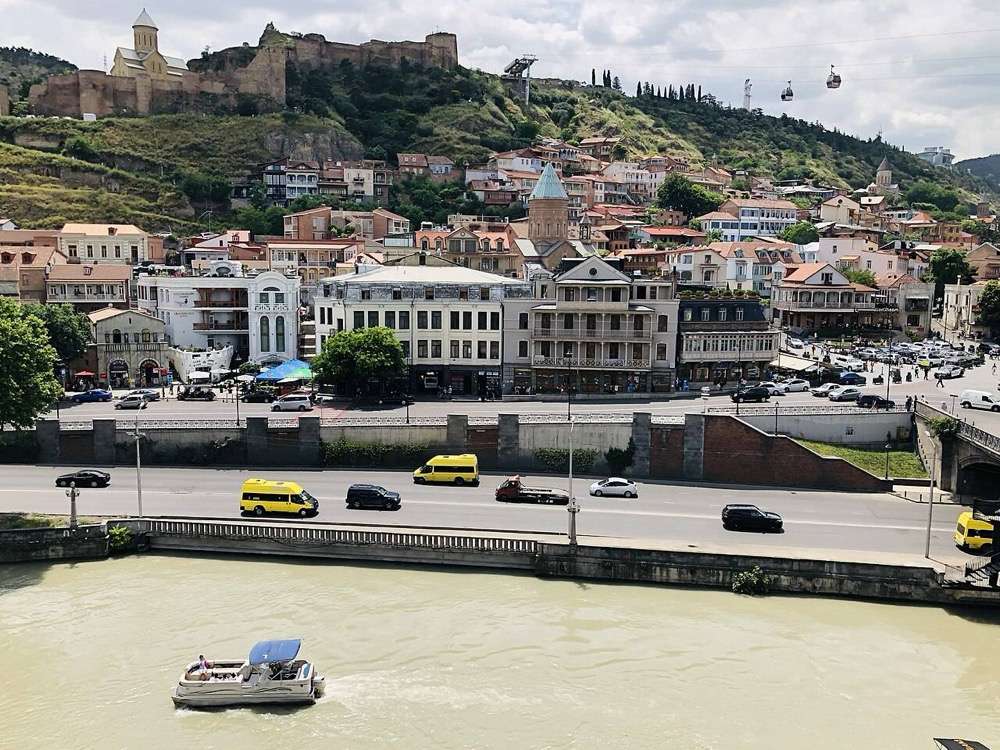
Tbilisi has no business being this good for food. A city of under a million people in the South Caucasus — Georgia the country, not the US state — with a restaurant scene that punches alongside cities five times its size. The reason is simple: Georgia has 8,000 years of winemaking, centuries of feasting culture, and a generation of young chefs who grew up eating their grandmothers' food and decided to take it somewhere new.
Our Georgian food guide covers what to eat — the dishes, the traditions, the things you need to try. This guide covers where to eat them in Tbilisi: specific restaurants, wine bars, street food stalls, and cafés, organized by type and neighborhood, with honest prices and what to order at each.
Vejineli — The Best Restaurant in Tbilisi
If you eat at one restaurant in Tbilisi, make it Vejineli. Traditional Georgian cooking executed at a level that locals and visitors consistently agree is the best in the city. The khinkali, khachapuri, and grilled meats are exceptional — no fusion, no reinterpretation, just the classics perfected. See reviews on TripAdvisor → | View on Yandex Maps →
Quick Reference: Tbilisi Restaurant Tiers
| Category | Price/Person (with drink) | Best For | Top Pick |
|---|---|---|---|
| Street food & bakeries | 5-15 GEL | Quick bites, snacks | Tone bakeries citywide |
| Budget dukani | 15-25 GEL | Classic Georgian feasts | Vejineli ⭐ |
| Creative Georgian | 30-60 GEL | Memorable dinners | Shavi Lomi |
| Fine dining | 80-150 GEL | Special occasions | Barbarestan |
| Wine bars | 20-50 GEL (wine + snacks) | Wine exploration | Vino Underground |
| Cafés | 10-25 GEL | Coffee & brunch | Leila |
Prices are in Georgian Lari (GEL). In 2026, 1 GEL ≈ $0.36 USD / €0.33. Tbilisi is extraordinary value — a world-class dinner with wine rarely exceeds $50 per person, even at the city's best restaurants. The same meal in London or New York would cost three times more.
Traditional Georgian Restaurants
A dukani is a traditional Georgian restaurant — clay pots on the table, wood-paneled walls, portions that could feed a family, and a menu that hasn't changed in decades. This is where most travelers should eat their first Georgian meal.
Vejineli ⭐
If Tbilisi had a consensus "best traditional restaurant," Vejineli would be it. This is Georgian cooking the way it's meant to be — no shortcuts, no tourist compromises, just the classics done with exceptional care. The khinkali are consistently rated the best in the city (perfect dough-to-filling ratio, properly pleated), the khachapuri arrives bubbling hot, and the mtsvadi (grilled meat skewers) come off the fire exactly right. The atmosphere is warm and unpretentious — a place where Georgian families celebrate birthdays alongside travelers who did their research.
What to order: Khinkali (pork-beef), Adjarian khachapuri, mtsvadi, and the house walnut desserts. Price: 20-35 GEL/person. Reservations: Recommended on weekends. TripAdvisor → | Yandex Maps →
Machakhela
Yes, it's a chain. No, that doesn't matter. Machakhela is the most reliable introduction to Georgian food in Tbilisi — consistent quality, English menus, fast service, and prices that make you double-check the bill. Multiple branches; the one on Rustaveli Avenue is most central.
What to order: Khinkali (pork-beef or mushroom), Adjarian khachapuri, mtsvadi (grilled meat skewers), lobio in a clay pot. Price: 15-25 GEL/person. Reservations: No.
Samikitno
The old-school experience on Aghmashenebeli Avenue. Samikitno ("the place where food is cooked") is loud, crowded, slightly chaotic, and exactly what a dukani should be. The clientele is mostly Georgian families and groups of friends who've been coming for years.
What to order: Shkmeruli (garlic chicken in cream sauce), khachapuri, ojakhuri (pan-fried pork with potatoes), and khinkali. Price: 15-25 GEL/person. Reservations: No, but expect a wait on Friday-Saturday evenings.
Sakhachapure
If you want to understand khachapuri in all its regional variations, this is the place. Sakhachapure specializes in cheese bread from every corner of Georgia — Adjarian (boat-shaped with egg), Imeretian (round), Megrelian (extra cheese on top), and Svanetian (with herbs and meat).
What to order: One Adjarian and one Imeretian to compare. Share — they're enormous. Price: 10-20 GEL/person. Reservations: No.
Tsiskvili
A large, banquet-style restaurant with a garden terrace, live folk music on weekends, and a menu that covers nearly every Georgian dish you've ever heard of. It's slightly more touristy than the others on this list — but it's the right choice for a first night in Georgia with a group, when you want the full theatrical experience.
What to order: Order the family-style spread — let your waiter guide you. Ask for a supra (feast) arrangement if you're with 4+ people. Price: 25-40 GEL/person. Reservations: Recommended for groups, weekends.
Not sure what the dishes are? Our food guide covers all 15 must-try Georgian dishes with explanations and pronunciations.
At a traditional dukani, over-ordering is the Georgian way. Dishes are meant to be shared across the table. Order 3-4 dishes for every 2 people, plus khinkali separately — they arrive hot and need to be eaten immediately. Leftover food is a sign that the host (or the table) provided generously. Don't fight it.
Creative & Modern Georgian
A wave of Tbilisi chefs is reinterpreting Georgian classics — keeping the soul of grandmother's cooking while refining the technique and presentation. These restaurants are where tradition meets ambition.
Shavi Lomi
The restaurant that launched Tbilisi's modern Georgian movement. Tucked into a courtyard in Vera, Shavi Lomi ("Black Lion") takes familiar Georgian ingredients and does unexpected things with them — think deconstructed pkhali, inventive takes on walnut sauces, and seasonal dishes that change with what's available at the market.
The atmosphere is warm and unpretentious. Art on the walls, candles on the tables, a crowd that's half local, half in-the-know visitors.
What to order: Trust the seasonal menu. The churchkhela dessert is legendary. Price: 35-60 GEL/person with wine. Reservations: Recommended Friday-Saturday.
Café Littera
Hidden inside the courtyard of the Georgian Writers' House — a stunning 19th-century mansion in Sololaki — Café Littera is as much about the setting as the food. Dine under fairy lights on a terrace surrounded by crumbling balconies and old-growth trees. The menu is refined Georgian-European, seasonal, and beautifully plated.
What to order: The tasting menu if it's available, or the lamb dishes and seasonal salads. Price: 50-80 GEL/person with wine. Reservations: Essential on weekends, recommended always.
Culinarium Khasheria
Chef Tekuna Gachechiladze — one of Georgia's most prominent chefs — runs this creative space that doubles as a cooking school. The menu blends traditional Georgian with modern techniques and international influences. Presentation is a level above the usual.
What to order: The chef's specials. Phali variations. Anything with walnut. Price: 40-70 GEL/person with wine. Reservations: Recommended.
Fine Dining
Barbarestan
The most unique restaurant in Tbilisi, and arguably in the entire Caucasus. The entire menu is based on recipes from Barbare Jorjadze's 1874 cookbook — the first cookbook written by a Georgian woman. Dishes you won't find anywhere else: 19th-century preparations of quail, pheasant, pomegranate sauces, and forgotten herb combinations, meticulously researched and recreated.
The dining room is elegant without being stuffy — white tablecloths, candlelight, attentive service, and a wine list that showcases the best of Georgian winemaking.
What to order: Let the menu surprise you. The duck and the walnut dishes are exceptional. Price: 80-150 GEL/person with wine ($30-55). Reservations: Essential — book 2-3 days ahead.
Supra Restaurant
Contemporary fine dining with a Georgian soul. The tasting menu format takes you through Georgia's regions, course by course, with wine pairings. Modern plating, ambitious flavor combinations, and a sommelier who can guide you through obscure Georgian grape varieties.
What to order: The tasting menu with wine pairing — it's the point. Price: 100-200 GEL/person with pairing. Reservations: Recommended.
Even Tbilisi's most expensive restaurants would be mid-range in London, Paris, or New York. A full dinner with wine at Barbarestan — arguably the city's best restaurant — rarely exceeds 150 GEL ($55) per person. Fine dining in Tbilisi is a genuine bargain by any Western standard.
Wine Bars
Georgia has been making wine for 8,000 years, and Tbilisi's natural wine scene is among the best in the world. These bars focus on small-batch Georgian producers — wines you'll never find outside the country.
Vino Underground
The bar that started Tbilisi's natural wine revolution. A tiny, standing-room-only space on Tabidze Street in Old Town, with wines from small Georgian producers poured by staff who genuinely love what they're pouring. There's no food menu to speak of — maybe some cheese and bread. You're here for the wine.
Tell them what you like and let them pour. If you've never had Georgian wine, say so — they'll build you an education in four glasses.
Price: 8-15 GEL/glass. No reservations — show up, squeeze in.
g.Vino
The more polished counterpart to Vino Underground. A proper sit-down wine bar on Bambis Rigi Street with a full food menu, an extensive wine list, and a terrace with Old Town views. Good for a full evening — wine, food, and conversation.
What to order: Wine flight + cheese plate to start, then the kuchmachi (chicken liver appetizer) if you're feeling adventurous. Price: 25-50 GEL/person with wine and food. No reservations needed (but go early for terrace seats).
Wine Gallery
A larger space with a retail wine shop attached. The tasting room lets you try wines from across Georgia's regions side by side. Good if you want a broader survey than the curated lists at the smaller bars.
Price: Tasting flights from 20 GEL. Bottles to take home from 15 GEL.
8000 Vintages
Named for Georgia's 8,000 years of winemaking. A wine bar and shop near Meidan Square with guided tasting flights designed for both beginners and serious wine enthusiasts. The staff explains qvevri winemaking, grape varieties, and regional differences without being pretentious about it.
Price: Tasting flights from 25 GEL. Good for: Wine novices who want context.
Ask for amber (orange) wine — Georgia's signature style. It's white wine made with extended skin contact in buried clay vessels called qvevri. It's tannic and structured like a red, but made from white grapes. Start with a Rkatsiteli amber if you're new to it. For the full story, see our Georgian wine guide.
Street Food & Markets
Tone Bakeries
The most essential Tbilisi food experience costs 3 GEL. Tone bakeries — named after the cylindrical clay oven (tone) used to bake bread — are everywhere. Look for the open storefronts where a baker reaches deep into a sunken oven to slap dough against the inside walls. What comes out is shotis puri — long, canoe-shaped bread with a crispy crust and soft, steaming center.
Grab a loaf fresh from the oven, tear it apart while it's still hot, and eat it with a block of Imeretian cheese from the shop next door. This is breakfast in Tbilisi.
Also look for: Lobiani (bean-filled bread, 3-5 GEL) and Imeretian khachapuri fresh from the tone (5-8 GEL).
Dezerter Bazaar
Tbilisi's central market, near the train station. Mountains of spices (smell the blue fenugreek — it's in everything Georgian), churchkhela hanging from every stall, wheels of fresh cheese, seasonal fruit, tklapi (dried fruit leather), and honey. The vendors will give you a taste of everything before you buy.
What to eat here: Fresh churchkhela, grabbed straight from the stall. Sulguni cheese with bread. Seasonal fruit (Georgian peaches and figs in summer are otherworldly). What to buy: Svanetian salt, dried herb mixes, churchkhela for gifts, tklapi. Time needed: 1 hour minimum.
Aghmashenebeli Avenue
Tbilisi's beautifully restored café-lined boulevard doubles as the city's best street food strip after dark. The shaurma (shawarma) stands here are among the best in the Caucasus — late night, when the restaurants close, this is where Tbilisi eats. During the day, the avenue is better for café-hopping and people-watching.
Lobiani Stands
Lobiani — flatbread stuffed with spiced beans — is the cheapest filling meal in Tbilisi. Street vendors and small bakeries sell them for 2-4 GEL. They're especially common near markets and bus stations. Don't overlook them — a good lobiani with a cup of Turkish coffee is a 5-GEL lunch.
Cafés & Brunch
Tbilisi's café scene has exploded in recent years, especially in Vera and Sololaki.
Leila
The defining café of Tbilisi's new wave. Named after a woman (not the song), Leila is an all-day spot in Vera with excellent coffee, a small but curated food menu, and an interior that mixes vintage Georgian furniture with modern design. It's the kind of place where you come for a flat white and stay for three hours.
Entrée
European-style bakery and café near the center. Flaky croissants, proper pastries, good coffee, and a brunch menu that's a welcome change if you've been eating khachapuri for five days straight. Popular with Tbilisi's young professionals.
Stamba Café
Inside the Stamba Hotel — a converted Soviet-era printing house with soaring ceilings and industrial-chic design. The café is pricier than most in Tbilisi (coffee 8-12 GEL) but the space is stunning. Worth a visit for the architecture alone, even if you're not staying at the hotel.
Linville
Specialty coffee done right. A small, no-fuss café that takes its beans seriously — single-origin pour-overs, properly pulled espresso, and knowledgeable baristas. The kind of place coffee nerds seek out. Multiple locations.
Where to Eat by Neighborhood
Not sure where to start? Here's the cheat sheet, organized by where you're staying. For accommodation details, see our Tbilisi neighborhood guide.
Old Town & Abanotubani
Best for: Wine bars, variety, walking-distance dining.
This is where most visitors eat — and for good reason. Vino Underground, g.Vino, 8000 Vintages, and dozens of restaurants are within a 10-minute walk.
The trap to avoid: Restaurants on Shardeni (Chardin) Street with English menus displayed outside and waiters beckoning from the sidewalk. These are tourist traps — overpriced, mediocre food, and a fraction of the quality you'll find one block deeper into Old Town. Walk past Shardeni, turn a corner, and you'll find better restaurants at half the price.
Aghmashenebeli Avenue
Best for: Street food, cafés, evening strolling, budget eating.
Samikitno is here, plus dozens of cafés, bakeries, and the best late-night shaurma in the city. The avenue has been beautifully restored and is one of the best walking streets in Tbilisi.
Vera & Sololaki
Best for: Creative restaurants, café culture, locals' scene.
Shavi Lomi, Leila, and a growing cluster of interesting restaurants and cafés. This is where Tbilisi's creative class eats and drinks. Less touristy, more residential, with a village-within-a-city feel.
Vake
Best for: Upscale dining, date nights.
Tbilisi's wealthier neighborhood has a concentration of higher-end restaurants. Café Littera (technically Sololaki-adjacent) and newer fine dining spots cluster here and nearby.
Marjanishvili
Best for: Emerging scene, Fabrika courtyard, local vibes.
The area around Fabrika — a converted Soviet sewing factory turned creative hub — has a growing food and drink scene. The courtyard bars are good for casual evening drinks, and new restaurants are opening regularly in the surrounding streets.
Staying in Old Town? You're within walking distance of nearly everything in this guide. Staying in Vera or Vake? Budget a few GEL for Bolt rides to the Old Town wine bars — they're worth the trip. Rides across the city rarely exceed 8-10 GEL.
Budget Breakdown: What to Expect
| Meal | Cost (GEL) | Cost (USD) |
|---|---|---|
| Shotis puri (bread) from a tone bakery | 2-3 | $0.70-1.10 |
| Khachapuri from a bakery | 5-8 | $1.80-2.90 |
| Khinkali (5 pieces) at a dukani | 5-7 | $1.80-2.50 |
| Lobiani (bean bread) street food | 2-4 | $0.70-1.45 |
| Street shaurma | 8-12 | $2.90-4.30 |
| Budget dukani meal (per person) | 15-25 | $5.40-9.00 |
| Mid-range dinner with wine | 40-70 | $14.40-25.20 |
| Fine dining dinner with wine | 100-200 | $36-72 |
| Glass of wine at a wine bar | 8-15 | $2.90-5.40 |
| Specialty coffee | 6-10 | $2.15-3.60 |
You can eat extremely well in Tbilisi for $20-30 per day — three meals, snacks, and a glass of wine. Even if you eat at the city's best restaurants every night, you'd struggle to spend more than $80/day on food and drink. For a full cost breakdown of traveling in Georgia, see our budget guide.
Practical Tips for Eating in Tbilisi
Tipping: 10% is generous and appreciated but not always expected. Some upscale restaurants add a service charge — check the bill. At a dukani or street food stall, tipping is not expected.
Reservations: Only necessary at Barbarestan, Café Littera, Culinarium Khasheria, and Supra. Everywhere else — including wine bars — walk in.
Eating hours: Georgians eat late. Restaurants fill up at 9-10 PM, and many kitchens stay open until midnight or later. Lunch is typically 1-3 PM. Breakfast culture is light — coffee and bread — which is why the café scene has grown.
Menus: English menus are available at most tourist-friendly restaurants. At local spots, Google Translate on your phone camera works well with Georgian script.
Vegetarians: Well served. Georgian cuisine is rich in vegetarian dishes — pkhali (herb-walnut spreads), lobio (bean stew), badrijani (eggplant with walnut paste), various cheese breads, and ajapsandali (vegetable stew). Most restaurants have multiple options. Vegans will struggle — Georgian cooking uses cheese, butter, and eggs extensively.
Water: Tap water in Tbilisi is safe to drink.
Avoid restaurants with hawkers standing outside pulling you in — especially on Shardeni Street in Old Town. The best restaurants in Tbilisi don't need to recruit customers from the sidewalk. Walk one block deeper for better food at lower prices. If a waiter follows you down the street, that's a red flag.
What Guests Say
Taste Tbilisi on Our Georgia Tour
Days 1 and 2 of our 8-day tour are based in Tbilisi, with meals at restaurants we've hand-picked over years of eating our way through the city. Later in the trip, you'll experience a traditional Georgian supra feast and wine tastings in the Kakheti region — the kind of food experiences that are hard to arrange on your own.
Ready to Experience Georgia?
Join our 8-day small group tour through Georgia. From Tbilisi to Kazbegi to Kakheti wine country. Max 10 guests.
Looking for what to do between meals? See our complete guide to things to do in Tbilisi →
For more restaurant, cafe, bar and nightlife recommendations with pricing and neighborhoods, check out our Tbilisi City Guide →
Top picks include Vejineli for the best traditional Georgian cuisine (our #1 recommendation), Barbarestan for fine dining (19th-century cookbook recipes), Shavi Lomi for creative Georgian, Café Littera for its Writers' House courtyard setting, and Vino Underground for natural wine.
Budget meals run 15-25 GEL ($5-9), mid-range dinners with wine 40-70 GEL ($15-25), and fine dining 100-200 GEL ($36-72) per person. Street food costs 5-12 GEL.
Only at fine dining spots like Barbarestan, Café Littera, and Culinarium Khasheria. Everywhere else — including wine bars and traditional restaurants — walk-ins are fine.
Yes. Georgian cuisine has many vegetarian dishes including pkhali (walnut-herb spreads), lobio (bean stew), badrijani (eggplant with walnut paste), and various cheese breads. Most restaurants have several options.
Old Town for variety and wine bars, Aghmashenebeli Avenue for street food and cafés, Vera for creative restaurants and local café culture, and Vake for upscale dining.
Most mid-range and above restaurants accept cards. Street food vendors, bakeries, and bazaar stalls are cash-only (Georgian Lari).