
Tbilisi Sulfur Baths Guide: Which One to Choose & What to Expect
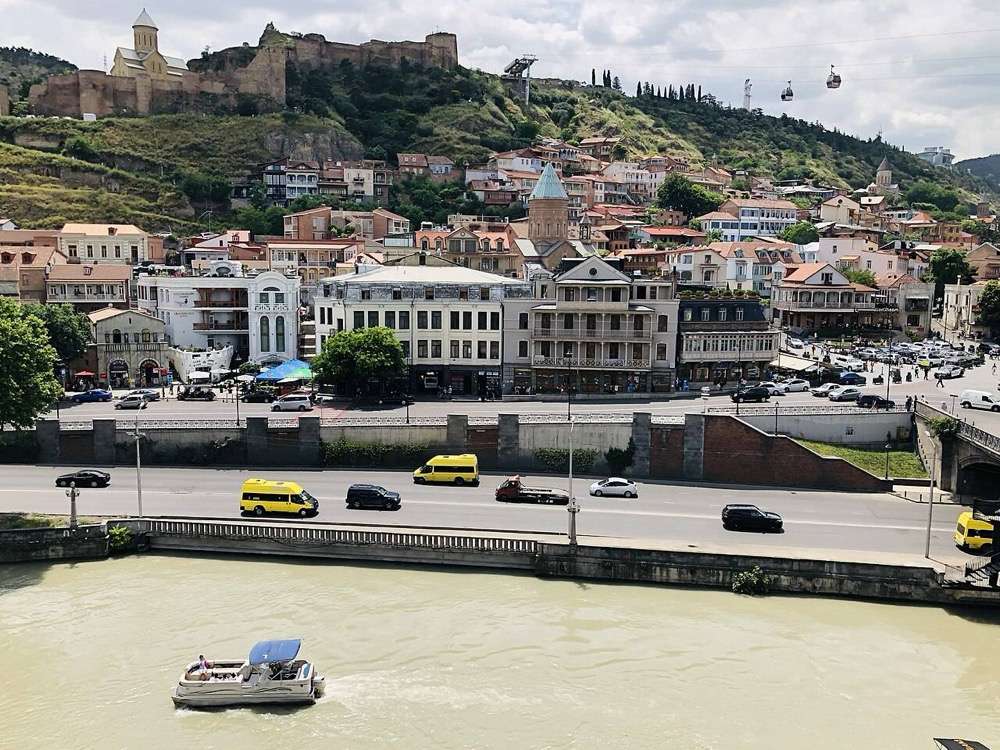
Tbilisi literally means "warm place." The city was founded in the 5th century when King Vakhtang Gorgasali's falcon reportedly dropped a freshly killed pheasant into a natural hot spring — the bird was cooked by the time the king found it. He was so impressed that he moved his capital here.
Whether or not the falcon story is true, the hot springs are real. Natural sulfur water bubbles up from deep underground at 40-50°C across the Abanotubani district in Tbilisi's Old Town. For over 1,500 years, locals and visitors have been soaking in these waters — for relaxation, socializing, and supposed health benefits.
A visit to the sulfur baths isn't just a tourist activity. It's a Tbilisi tradition. Here's everything you need to know.
A Brief History
The sulfur baths have been central to Tbilisi's identity since the city's founding. During the Persian and Ottoman periods, the bathhouses became elaborate social institutions — places to negotiate business deals, arrange marriages, and gossip. The 17th-century French traveler Jean Chardin described them as the finest baths he'd encountered anywhere, including Persia and Turkey.
By the 19th century, the Abanotubani district had dozens of active bathhouses. Alexander Pushkin visited in 1829 and wrote that he'd "never encountered anything more luxurious than the Tbilisi baths" — and this was a man who'd visited the finest spas in Europe.
Today, about a half-dozen bathhouses remain operational, all clustered in the same atmospheric district of brick domes, winding streets, and the Leghvtakhevi waterfall just a short walk away.
Which Bathhouse Should You Choose?
All the main bathhouses draw from the same natural sulfur springs. The water is the same — it's the experience that differs.
Chreli Abano (Motley Bath)
Best for: First-time visitors who want the full experience in a beautiful setting.
Chreli Abano was renovated in recent years and it shows. The private rooms are modern, clean, and well-maintained, with a mix of traditional and contemporary design. It's the most "touristy" option, but for good reason — the quality is consistently high.
The mosaic-tiled private rooms are Instagram-worthy. Service is professional. The scrub massages here are thorough and well-executed.
- Private room: 50-120 GEL ($18-45) per hour depending on room size
- Scrub massage: 20-30 GEL ($8-12) per person
Orbeliani Bathhouse (Blue Bathhouse)
Best for: Photo opportunities and historical atmosphere.
You've probably already seen Orbeliani — its stunning blue-tiled Persian facade is one of the most photographed buildings in Tbilisi. The facade alone is worth the walk to Abanotubani.
Inside, the rooms are decent but not the newest. The experience is solid, and the building's historical significance adds to the atmosphere. It tends to be popular with tourists because of the recognizable exterior.
- Private room: 50-150 GEL ($18-55) per hour depending on room
- Scrub massage: 20-30 GEL ($8-12) per person
Royal Bath House
Best for: A traditional, no-frills experience.
The Royal Bath House is the oldest operating bathhouse in Abanotubani and feels like it. The decor is simpler, the rooms more basic, and the atmosphere more authentically old-school. This is where you go if you want to feel like Pushkin felt in 1829.
The scrub here is reportedly among the most vigorous — the masseurs are experienced and don't hold back. Not for the faint-hearted.
- Private room: 40-80 GEL ($15-30) per hour
- Scrub massage: 15-25 GEL ($6-10) per person
Bath House No. 5
Best for: Locals' experience on a budget.
This is where Tbilisi locals actually go. Bath House No. 5 has both public halls (separated by gender) and private rooms. The public section is the cheapest way to experience the sulfur baths, but it requires some comfort with communal nudity.
The private rooms are basic but clean. The atmosphere is more neighborhood bathhouse than tourist attraction, which is either a pro or a con depending on your preferences.
- Public hall: 5-10 GEL ($2-4) per person
- Private room: 30-60 GEL ($11-22) per hour
- Scrub massage: 15-20 GEL ($6-8) per person
Our recommendation: For first-timers, book a private room at Chreli Abano — it's the best balance of quality, atmosphere, and price. If you want to save money and don't mind a communal setting, Bath House No. 5's public hall is an authentic local experience for just a few dollars.
Private Room vs. Public Hall
Private Room
You get your own tiled room with a sulfur pool (usually fits 2-4 people comfortably), a cold water tap or plunge pool, and a massage slab. You can lock the door and have complete privacy. Most tourists choose this option.
Private rooms are booked by the hour. One hour is plenty for most people — the heat is intense, and you'll alternate between the hot pool and cold water several times. Add 30 minutes if you're getting a scrub massage.
Public Hall
Available at Bath House No. 5 and a couple of others. Men and women are separated. You'll share a large pool with other bathers. Nudity is the norm in the public halls, though some people wear swimsuits.
The public halls are the traditional way to experience the baths, and they're very cheap. But if you're not comfortable with communal bathing, stick with a private room.
The Scrub Massage (Kisi): Do It
Seriously, do it.
The kisi is a traditional scrub performed by a bathhouse attendant (mekise). After you've soaked in the sulfur water for 15-20 minutes and your skin has softened, the mekise will lay you on a warm stone slab, put on an abrasive mitt (kisi), and scrub your entire body from neck to feet.
It's vigorous. It's thorough. It might be slightly uncomfortable. You will lose approximately three layers of skin you didn't know you had. And afterward, your skin will feel impossibly smooth and new.
The mekise will usually follow the scrub with a soap foam massage — lathering you in clouds of bubbles and kneading your muscles. The whole process takes about 15-20 minutes.
The scrub costs only $6-12 extra and it transforms the experience from "nice soak" to "genuinely unforgettable." Every single person we've brought to the baths who initially said "I'll skip the scrub" has come out saying "that was the best part."
What to Bring
- Swimsuit — for private rooms, it's optional (your room, your rules). For public halls, optional but available if you prefer
- Flip-flops/sandals — the floors are wet tile. Most bathhouses provide plastic slippers, but bringing your own is more comfortable
- A change of underwear — you'll be very warm and slightly damp after
- Water bottle — you'll sweat a lot. Stay hydrated. Some bathhouses sell water, but bringing your own is wise
- Nothing valuable — there are usually hooks or shelves for your clothes, but no lockers at most places
You don't need to bring: Towels (provided), soap or shampoo (provided in most private rooms), or a scrubbing mitt (the mekise has their own professional-grade equipment).
Etiquette
- Tip the mekise — 5-10 GEL is customary if you're happy with the scrub
- Don't rush — the baths are meant to be leisurely. Soak, cool off, soak again
- Drink water, not wine — despite what you might see in movies. Dehydration + hot sulfur water is a bad combination
- Rinse before entering the pool — basic hygiene, same as any hot spring
- Be quiet in public halls — conversations are fine, but this isn't a party venue
- Don't bring your phone into the pool area — steam and electronics don't mix, and it's considered rude in public halls
What Does the Water Smell Like?
Let's address the elephant in the room: sulfur smells like rotten eggs. The Abanotubani district has a distinct sulfur smell in the air, and the water itself has that characteristic scent.
Here's the thing — you stop noticing after about five minutes. Your nose adapts quickly. And the water feels genuinely different from regular hot water — silkier, slightly oily, and your skin feels noticeably different afterward.
The sulfur water is said to help with skin conditions, joint pain, and respiratory issues. We're not doctors, but after 1,500 years of use, the locals might be onto something.
Best Time to Go
- Morning (8-10 AM) — quietest time. You'll often have the bathhouse nearly to yourself on weekdays. Best if you want a relaxed, unhurried experience.
- Late afternoon (4-6 PM) — locals start arriving after work. More atmospheric but busier.
- Evening (7-10 PM) — busiest time, especially on weekends. Book private rooms in advance during peak season.
- Avoid: Friday and Saturday evenings unless you've pre-booked. The baths are a popular weekend social activity for locals.
Pro tip: Visit the baths on your last day in Tbilisi. If you're still deciding on a neighborhood, our where to stay in Tbilisi guide covers options near the baths. After a week of hiking, walking, and wine-tasting, your muscles will thank you. Plus, you'll leave Georgia feeling impossibly relaxed.
After the Baths
You'll emerge feeling like a new person — relaxed, skin glowing, slightly dizzy from the heat. The best thing to do afterward is walk up the short path to the Leghvtakhevi waterfall, a surprisingly beautiful cascade hidden in a gorge right in the middle of the Old Town. The cool air is a perfect contrast to the bath heat.
Then grab food. The Abanotubani district is surrounded by excellent restaurants. You've earned a khachapuri and a glass of cold Tsinandali. For more on what to do in the neighborhood, see our guide to things to do in Tbilisi.
Day 8: The Perfect Ending
On the last day of our 8-day Grand Highlights tour, we include a private sulfur bath experience at one of Abanotubani's best bathhouses — complete with a scrub massage. It's the perfect way to end a week of exploring Georgia: sore muscles soothed, skin renewed, and one final quintessentially Tbilisi experience before you head home.
Ready to Experience Georgia?
Join our 8-day small group tour through Georgia. From Tbilisi to Kazbegi to Kakheti wine country. Max 10 guests.