

Qvevri Wine: The 8,000-Year Georgian Tradition That UNESCO Protects
Long before Bordeaux planted its first vine, long before Napa Valley was a gleam in anyone's eye, the people of Georgia — the country in the Caucasus, not the US state — were fermenting grapes in massive clay vessels buried underground. This isn't marketing mythology. Archaeological evidence from the village of Gadachrili Gora near Tbilisi dates Georgian winemaking to approximately 6000 BCE, making it the oldest known wine-producing tradition on Earth.
At the center of this tradition sits the qvevri (pronounced "kvev-ree") — a large, egg-shaped clay vessel that transforms grapes into something no steel tank or oak barrel can replicate. In 2013, UNESCO inscribed the qvevri winemaking method on its Intangible Cultural Heritage list, recognizing not just a technique but a living cultural practice that has survived invasions, Soviet collectivization, and the global industrialization of wine.
This guide covers everything you need to know: what qvevri are, how they produce Georgia's famous amber wine, where to see them in action, and which wineries deserve a spot on your itinerary.
What Is a Qvevri?
A qvevri is a large, egg-shaped earthenware vessel used exclusively for fermenting, aging, and storing wine. Sizes range from 300 liters for personal use to over 3,000 liters for commercial production, though the most common size holds around 1,500–2,000 liters.
The vessels are made from local clay, shaped by hand (no potter's wheel — the scale is too large), and fired in a kiln at roughly 1,100°C. The interior is coated with beeswax to reduce porosity while still allowing micro-oxygenation — a critical factor in the wine's flavor development.
Once completed, a qvevri is buried in the ground up to its neck, typically in a dedicated cellar called a marani. The earth provides natural temperature regulation, keeping the wine at a steady 14–15°C year-round without any electricity or cooling equipment.
Key Features of Qvevri
- Shape: Egg-shaped with a pointed bottom, which naturally collects sediment (grape skins, seeds, stems) in a compact mass at the base
- Material: Unglazed clay lined with beeswax
- Placement: Buried underground in a marani
- Capacity: 300–3,500 liters
- Lifespan: Centuries, with proper care — some qvevri in use today are over 200 years old
- Sealing: Covered with a stone lid and sealed with clay during fermentation
Qvevri vs. Amphora: What's the Difference?
People often confuse qvevri with Roman or Greek amphorae. They're fundamentally different. Amphorae are portable transport vessels — they have handles, a narrow neck, and were designed to be carried on ships. Qvevri are stationary fermentation vessels — they're buried in the ground and never moved once installed. Amphorae stored wine; qvevri make wine. The shape, size, function, and cultural context are completely distinct. When you see "amphora wine" on a European label, it's usually inspired by Georgian qvevri methods but uses a different vessel tradition.
How Qvevri Winemaking Works
The qvevri method is remarkably simple in concept and extraordinarily difficult to master. Here's the process step by step:
1. Harvest and Crushing
Grapes are harvested by hand in September or October, depending on the region and variety. They're crushed — traditionally by foot in a wooden trough called a satsnakheli — and the entire mass of juice, skins, seeds, and sometimes stems (called chacha) goes into the qvevri.
2. Fermentation with Full Contact
This is where qvevri wine diverges radically from European winemaking. In conventional white wine production, the juice is separated from the skins almost immediately. In qvevri winemaking — especially for the amber/orange wines Georgia is famous for — the juice ferments with all the grape solids for weeks or months.
For white varieties like Rkatsiteli or Mtsvane, skin contact typically lasts 5–6 months. For red varieties like Saperavi, contact time varies but is often shorter because the grape naturally has intense color and tannin.
The natural yeasts present on the grape skins drive fermentation. No commercial yeasts, no temperature-controlled steel tanks, no sulfur additions (in traditional production). The egg shape of the qvevri creates natural convection currents as fermentation generates heat, gently circulating the liquid and ensuring even extraction.
3. Sealing and Aging
Once primary fermentation is complete, the qvevri is sealed with a stone lid, and the edges are plastered with clay to make it airtight. The wine rests underground for 5–6 months minimum. During this time, the solids gradually sink to the pointed bottom, and the wine clarifies naturally without fining or filtration.
4. Opening and Bottling
In spring, the qvevri is unsealed. The clear wine is carefully drawn off the top, leaving the sediment undisturbed at the bottom. Many traditional producers bottle without filtration, though some use light filtering for stability.
5. Cleaning
After each vintage, the qvevri is meticulously cleaned using a special brush made from cherry bark called a kortskhi. The beeswax lining is renewed as needed. This cleaning ritual is itself a craft — done wrong, it can ruin the vessel or taint next year's wine.
What Makes Georgian Amber Wine Different
Georgian amber wine (also called orange wine) looks and tastes like nothing you've encountered in a standard wine shop. Here's what to expect:
Color
The extended skin contact extracts pigments from white grape skins, turning the wine a striking amber, gold, or deep orange hue. The exact shade depends on the grape variety, skin contact duration, and the specific qvevri.
Aroma
Expect dried apricot, honey, walnut, tea leaf, dried herbs, and sometimes a distinctive beeswax note from the vessel itself. There's often an earthy quality — not unpleasant, more like petrichor or dried hay — that comes from the skin contact and natural fermentation.
Taste
This is where first-time tasters get surprised. Amber wines have tannin — something you never encounter in conventional white wine. The mouthfeel is textured, grippy, almost like a light red wine. Flavors lean toward dried fruit, nuts, and spice rather than the bright citrus and green apple of modern European whites.
Food Pairing
Georgian amber wines are remarkably food-friendly. Their tannin structure and complexity make them natural partners for:
- Rich, walnut-based dishes like pkhali or satsivi
- Grilled meats and mtsvadi (Georgian barbecue)
- Cheese — especially the salty, stretchy sulguni
- Spiced foods that would overwhelm a delicate white wine
How It Compares to European Wine
| Aspect | Georgian Qvevri Wine | European Conventional Wine |
|---|---|---|
| Vessel | Clay qvevri, underground | Steel tanks or oak barrels |
| Skin contact (whites) | 5–6 months | Hours or none |
| Yeasts | Wild/natural | Commercial strains |
| Temperature control | Earth's natural insulation | Electric cooling |
| Sulfur additions | None or minimal | Standard practice |
| Filtration | None or minimal | Standard practice |
| Color (whites) | Amber/orange/gold | Pale yellow/green |
| Tannin (whites) | Present, noticeable | Absent |
UNESCO Recognition: Why It Matters
In 2013, UNESCO inscribed "ancient Georgian traditional qvevri wine-making method" on the Representative List of the Intangible Cultural Heritage of Humanity. The inscription recognized that qvevri winemaking is:
- A living tradition practiced continuously for millennia
- Community-based — knowledge is passed through families and villages
- Integral to Georgian identity — wine and the supra (feast) are central to social and spiritual life
- Under threat from industrialization and the global dominance of European winemaking styles
The UNESCO recognition gave Georgian traditional winemakers international legitimacy and sparked a global "orange wine" movement. Winemakers in Italy (especially Friuli), Slovenia, Austria, and even California now produce skin-contact white wines inspired by Georgian methods — though purists insist that without the qvevri itself, it's a different product.
Where to See Qvevri in Action
Kakheti: Georgia's Wine Heartland
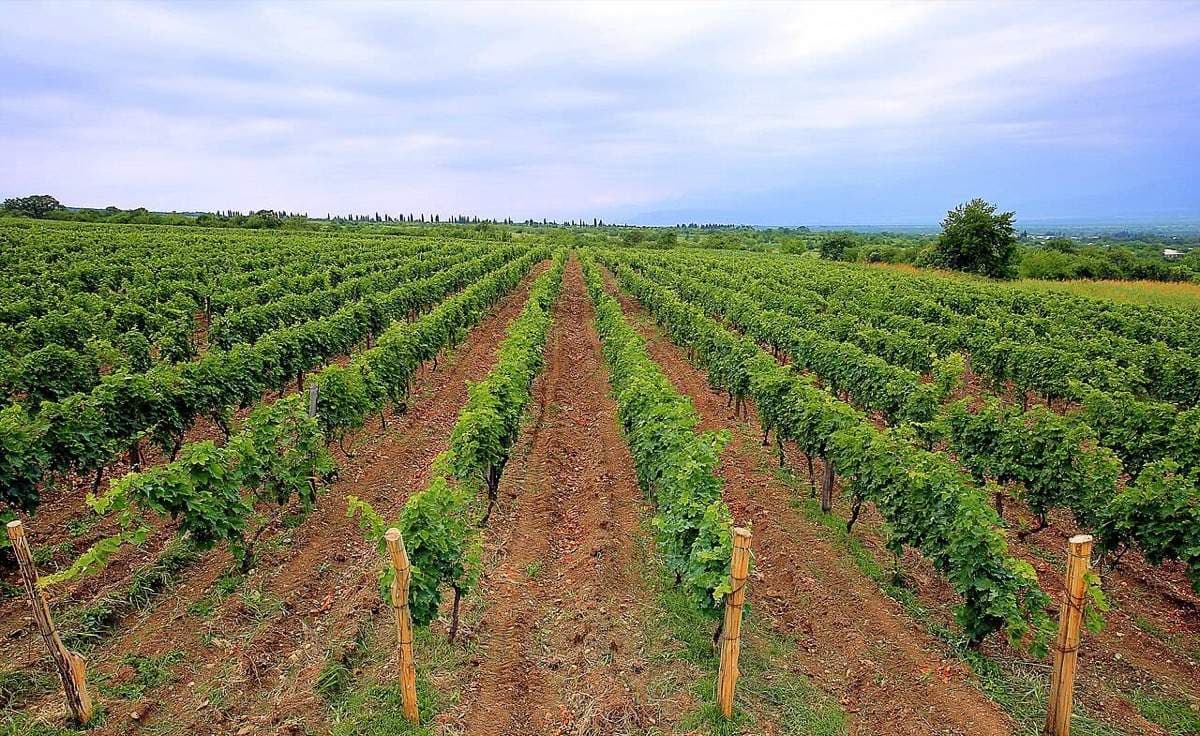
The Kakheti region in eastern Georgia produces roughly 70% of the country's wine. This is where qvevri winemaking is most alive and most accessible to visitors.
Signagi (Sighnaghi): This hilltop town overlooking the Alazani Valley is the most popular base for wine tourism. Cobblestone streets, panoramic views, and easy access to dozens of family wineries within a 20-minute drive.
Telavi: The regional capital and a slightly more local-feeling base. Less polished than Signagi but closer to many top wineries.
Tsinandali: Home to the historic estate of Alexander Chavchavadze, who introduced European winemaking methods to Georgia in the 19th century. Ironically, it's now surrounded by qvevri-method producers.
Best Wineries for Qvevri Tasting
Pheasant's Tears (Signagi) Founded by American artist John Wurdeman who fell in love with Georgian winemaking. Produces exceptional qvevri wines from indigenous varieties. The attached restaurant serves outstanding Georgian food. This is the most famous natural winery in Georgia and a must-visit.
Alaverdi Monastery Winery (near Telavi) Monks at the 6th-century Alaverdi Monastery have been making wine in qvevri for over a thousand years. Their wines are available for tasting, and you can see the marani where massive qvevri are buried in the monastery grounds. The combination of spiritual and winemaking heritage is unforgettable.
Twins Wine Cellar (Napareuli) The Gamtkitsulashvili twins run one of the most welcoming wineries in Kakheti. They'll show you their marani, explain the entire process, and pour generous tastings. The family also offers cooking classes.
Orgo (Signagi area) Gogita Makaridze produces small-batch qvevri wines that have won international acclaim. If you can arrange a visit, the intimacy of a one-person operation gives you a deeper understanding of the craft.
Tasting Tip: When trying qvevri wine for the first time, start with a Rkatsiteli amber wine — it's the most approachable gateway into the style. Then try a Mtsvane for something more aromatic, and finish with a Saperavi red to see how the qvevri treatment differs from conventional red winemaking. Ask your host to pour them in this order.
Beyond Kakheti
Imereti (Western Georgia): Imeretian qvevri wines use shorter skin contact (typically weeks rather than months) and produce a lighter, more delicate amber wine. The town of Racha and surrounding villages have excellent small producers.
Kartli (Central Georgia): The region around Gori and Ateni produces distinctive qvevri wines, particularly from the Chinuri grape. Less visited by tourists, which means more authentic encounters.
Practical Tips for Wine Touring
- Hire a driver. You're going to be drinking. Taxis from Tbilisi to Kakheti cost around 120–150 GEL one way, or join an organized tour.
- Visit family cellars, not just commercial wineries. The best qvevri experiences happen in someone's marani beneath their house, with the winemaker pouring from a jug.
- September–October is harvest season. If you visit during rtveli (grape harvest), you might get to participate in crushing grapes and filling qvevri — an experience that's impossible to replicate elsewhere.
- Buy direct. Prices at the cellar door are a fraction of what you'd pay for imported Georgian wine abroad. Many producers will ship internationally.
- Eat while you taste. Georgian winemakers always serve food with wine — cheese, bread, churchkhela (walnut candy), walnuts. This isn't just hospitality; these wines are genuinely designed to be consumed with food.
The Revival Story
Georgia's qvevri tradition nearly died during the Soviet era. The USSR wanted industrial-scale production, not artisanal clay-pot winemaking. Collective farms ripped out indigenous grape varieties and planted high-yield alternatives. Qvevri were abandoned in favor of concrete and steel.
After independence in 1991, a handful of dedicated winemakers began reviving qvevri methods. People like Soliko Tsaishvili, Iago Bitarishvili, and Ramaz Nikoladze became pioneers of Georgia's natural wine movement, reconnecting with ancestral techniques that their grandparents remembered but their parents' generation had been forced to abandon.
Today, the revival is thriving. Dozens of small producers make qvevri wine, international demand is growing, and young Georgians are returning to family vineyards to continue the tradition. The UNESCO inscription accelerated this — it gave cultural authority to what the Soviet system had dismissed as primitive.
Why You Should Care
Qvevri wine isn't just a curiosity or a trend. It represents an unbroken link to the very origins of winemaking. Tasting a Rkatsiteli amber wine from a 200-year-old qvevri in a family marani in Kakheti is as close as you can get to drinking what the first winemakers drank 8,000 years ago.
It also tastes extraordinary — once you adjust your expectations. If you arrive expecting Chardonnay, you'll be confused. If you arrive with an open palate, you'll discover a category of wine that exists nowhere else on earth.
Ready to taste 8,000 years of winemaking tradition? Our Georgia tour includes visits to 3 different wineries with qvevri tastings — from a monastery cellar to a family marani to an award-winning natural wine producer. You'll taste amber wines straight from the qvevri, learn the process from the winemakers themselves, and sit down to meals paired with wines you can't find outside Georgia.
Read more about why we believe Georgia is still the most underrated wine destination in the world — and why that's changing fast.
Ready to Experience Georgia?
Join our 8-day small group tour through Georgia. From Tbilisi to Kazbegi to Kakheti wine country. Max 10 guests.