
10 Mistakes First-Time Visitors Make in Georgia (And How to Avoid Them)
Georgia — the country, not the US state — has become one of those destinations that everyone discovers, loves, and then spends the rest of their life recommending to friends. The Caucasus mountains, 8,000-year-old wine traditions, food that costs $3 and tastes like a five-star meal, and a hospitality culture that literally considers guests to be sent by God.
It's also a place where first-time visitors make predictable mistakes. We've been hosting travelers at GT Hotel in Old Tbilisi since 2019, and the patterns are consistent: the same things surprise people, the same logistics trip them up, the same regrets come up at checkout.
Here are the 10 most common mistakes — so you don't make them.
Mistake #1: Underestimating Travel Times in the Mountains
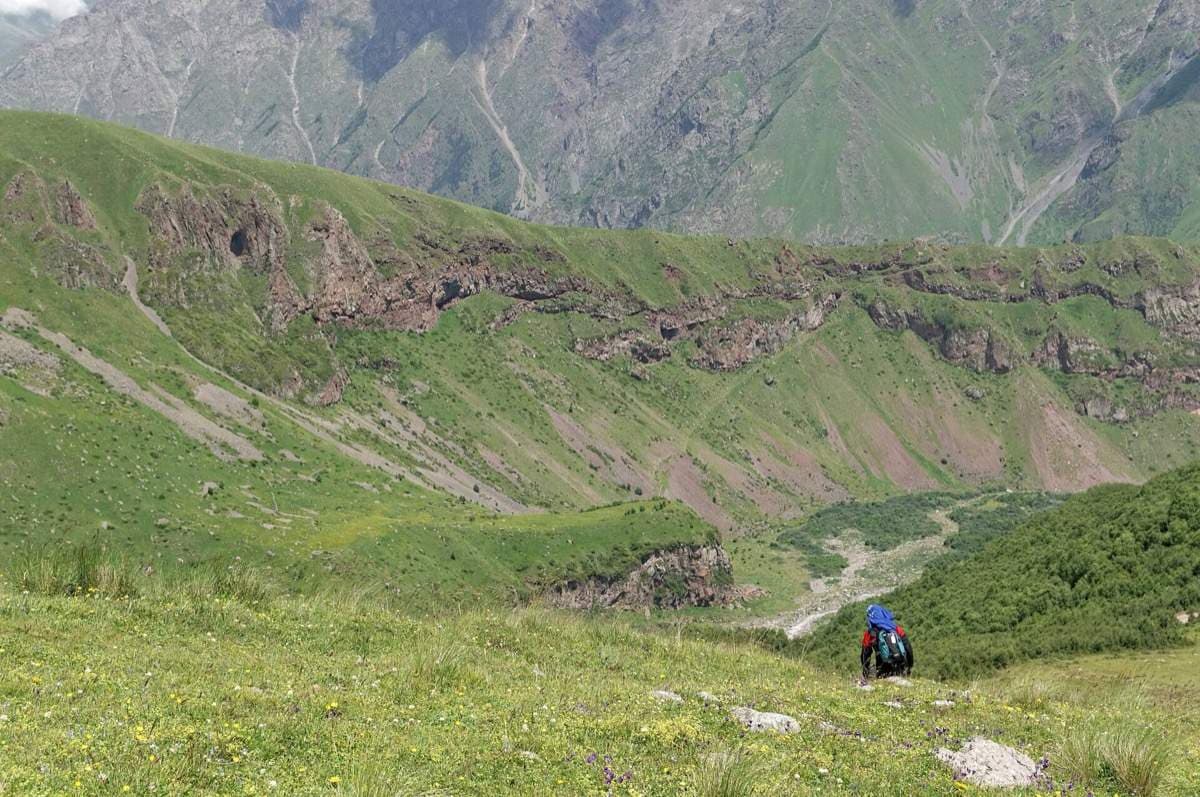
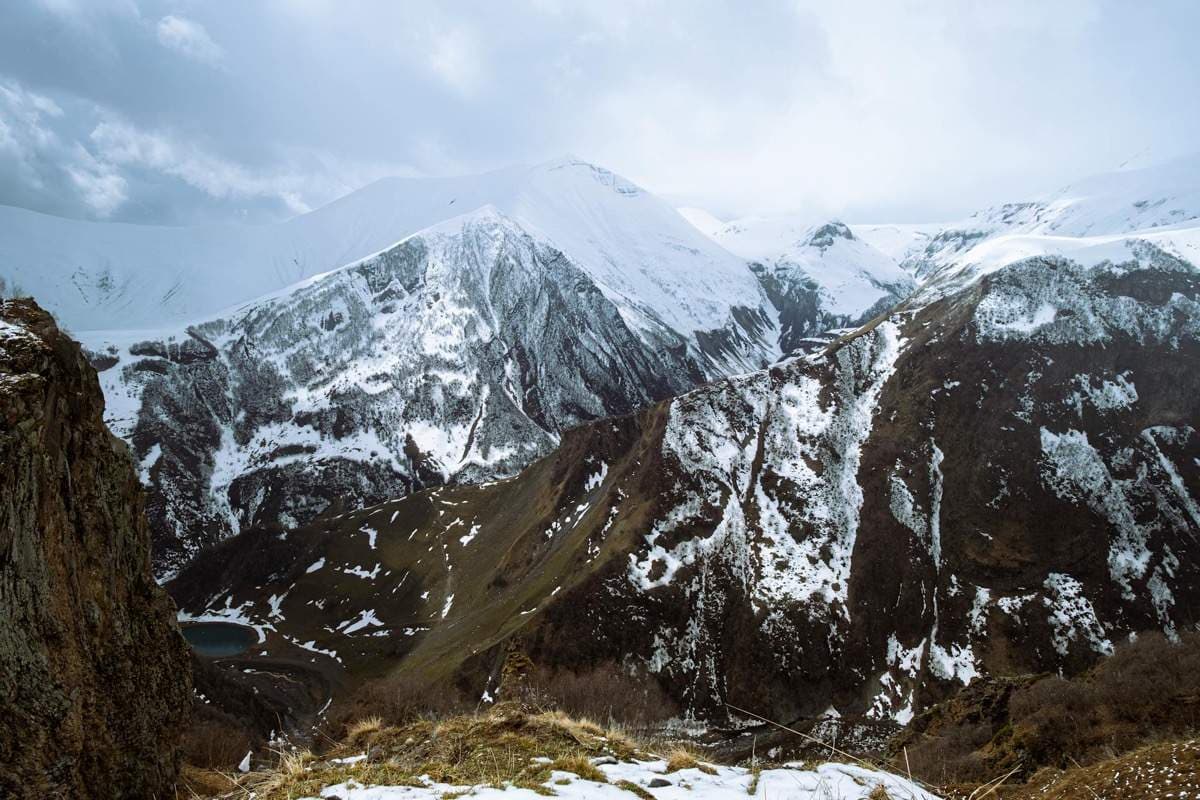
Georgia is roughly the size of Ireland or West Virginia, but the terrain is brutally mountainous. A road that looks short on a map can take three hours because it winds through gorges, climbs 2,000 meters of elevation, and crosses passes that close in winter.
The reality check:
- Tbilisi to Kazbegi: 3 hours (not 1.5 as Google Maps might optimistically suggest)
- Tbilisi to Kutaisi: 4 hours
- Tbilisi to Mestia: 8–10 hours (yes, really — most people break this into two days)
- Kazbegi to Svaneti: 6+ hours through mountain passes
The most common first-timer itinerary mistake: trying to do Tbilisi → Kazbegi → Svaneti → Vardzia → Batumi in five days. You'll spend your entire trip in a car. A realistic 8-day trip covers 3–4 destinations with base in Tbilisi. See our recommended 8-day itinerary.
How to avoid it: Plan for 1–2 base locations maximum on an 8-day trip. Use day trips from Tbilisi for Kazbegi, Mtskheta, and Kakheti. If you want Svaneti or Batumi, fly domestically (Vanilla Sky runs Tbilisi–Mestia for $35–60) or add extra days. Don't try to see everything — Georgia rewards depth over breadth.
Mistake #2: Relying on Marshrutkas for Everything
Marshrutkas — the Soviet-era minibuses that are Georgia's primary intercity transport — are cheap (10–15 GEL / $4–6), depart from central stations, and connect most towns. They're also uncomfortable, follow unreliable schedules, and the driving style ranges from "spirited" to "why are we on the wrong side of the road."
The truth about marshrutkas:
- They leave when they're full, not when the schedule says
- Sunday services are reduced or nonexistent on some routes
- Air conditioning is a gamble in summer
- Luggage space is tight
- English signage and announcements are rare
- Online schedules are frequently outdated
When marshrutkas make sense: short hops (Tbilisi to Mtskheta, Tbilisi to Sighnaghi) where the journey is under 2 hours and the schedule is reliable. When to skip them: anything over 3 hours, trips to remote areas (Vardzia, Tusheti), or when you're on a tight schedule. A private driver for a day costs 150–250 GEL ($55–93) split between passengers — often worth it.
How to avoid it: For day trips and intercity travel, hire a private driver through your guesthouse or join an organized small group tour. The cost difference is marginal when split between 2–4 people, and you save hours of stress, wrong turns, and waiting at stations.
Mistake #3: Packing Like It's One Climate
Georgia has subtropical coastlines (Batumi), alpine peaks (Svaneti at 5,000m), and everything in between — all within a few hours' drive. Tbilisi can be 35°C while Kazbegi is 12°C on the same day. First-time visitors often pack for "Georgia" as if it's one destination.
The packing mistake we see most often: arriving in July with only summer clothes, then realizing the Kazbegi portion of their trip requires a fleece and rain jacket. Or the opposite — showing up in September with full winter gear when daytime temperatures in Tbilisi are still 25°C.
The fix: Pack layers, not single-season outfits. The essentials that every season needs:
- Walking shoes with grip — Tbilisi's Old Town is cobblestones and steep hills. Sneakers work if they're broken in; trail shoes are better.
- One warm layer — even in summer, mountain evenings drop to 8–10°C
- Rain layer — mountain weather shifts fast, year-round
- Modest clothing — Orthodox churches require covered shoulders and knees for both men and women; women need a headscarf for some monasteries
For the complete seasonal breakdown, see our packing guide.
Pro tip: Leave room in your bag. Every traveler to Georgia comes home with more than they arrived with — wine bottles, churchkhela (the walnut-grape candle candy), spices, hand-woven textiles, and at least one ceramic bowl from the Dry Bridge Market.
Mistake #4: Eating on Shardeni Street
Shardeni Street in Old Tbilisi is the tourist trap capital of the Caucasus. The menus are in five languages, the prices are 2–3x what locals pay, the khachapuri is mediocre, and the "traditional Georgian music" is a recording on a loop.
There are dozens of restaurants within a 5-minute walk of Shardeni that are dramatically better and cheaper. The difference is knowing where to look.
Where to eat instead:
- Marjanishvili area — the neighborhood around the dry bridge market has authentic, dirt-cheap khachapuri bakeries and lunch spots
- Vera district — residential but full of local restaurants where the menu is in Georgian only (use Google Translate's camera feature)
- Aghmashenebeli Avenue — the "New Tbilisi" restaurant strip with excellent mid-range options
- Gldani neighborhood — where locals actually eat, 15 minutes by metro from Old Town, prices 40% lower
The khachapuri test: if a restaurant serves khachapuri on a plate rather than on its own baking board or tray, walk away. Proper Adjarian khachapuri is served hot on the oven board it was baked on, with the egg and butter mixed tableside. The presentation matters — it tells you they're doing it right.
For our full food guide — what to eat, where to find it, and how to pronounce it — see Georgian foods you must try.
Mistake #5: Skipping the Wine Region Because "I'm Not a Wine Person"
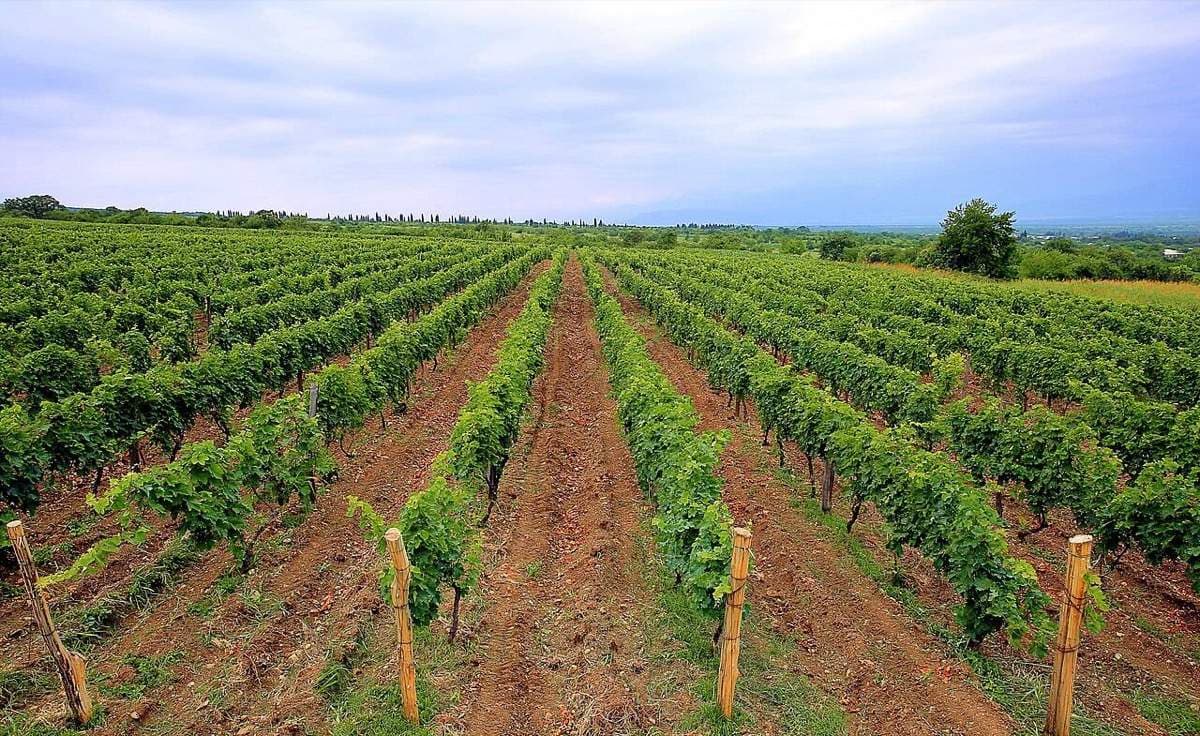
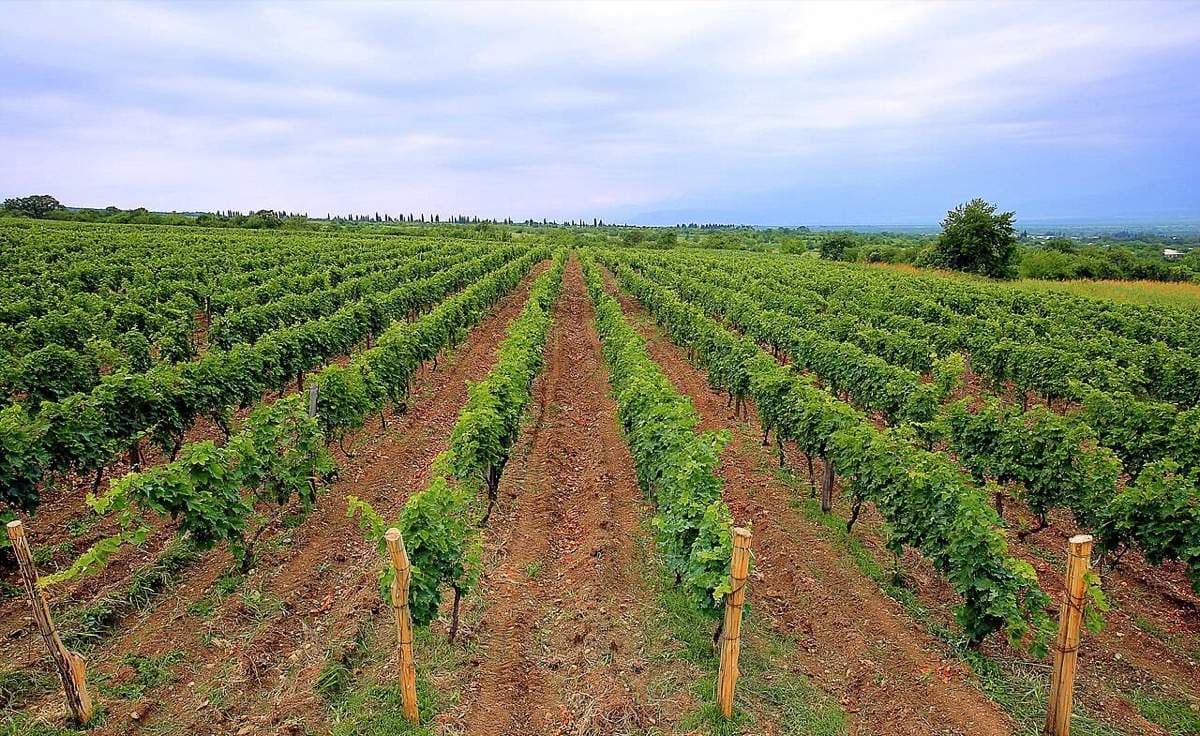
This is the mistake we hear about most at checkout: "I wish we'd gone to Kakheti." Georgia is the birthplace of wine — 8,000 years of uninterrupted winemaking tradition, UNESCO-protected qvevri (clay vessel) methods, and over 500 indigenous grape varieties (Italy, the next-most-diverse country, has around 350).
A Kakheti wine visit isn't a sommelier-in-a-tweed-vest sniff-and-swirl experience. It's sitting in a family cellar that's been in use since before the Roman Empire, watching a fourth-generation winemaker crack open a 500-liter qvevri buried in the ground, and tasting amber wine that tastes like nothing you've ever had.
What first-timers miss by skipping Kakheti:
- Family wine cellars that aren't on Google Maps or TripAdvisor
- Amber wine — Georgia's signature style, fermented on skins like red wine but made from white grapes. It's a different category entirely.
- Chacha tasting — the Georgian grape brandy (50–60% ABV) that wineries pour freely and generously
- Sighnaghi — a hilltop town called the "City of Love" with views across the Alazani Valley to the Greater Caucasus range
You don't need to love wine to love Georgian wine. You just need to be curious. The experience is about culture, history, food, and hospitality — the wine is just the vehicle. Even self-described non-wine-drinkers on our tours consistently rank the Kakheti day as their favorite. See what's included on our 8-day tour.
Mistake #6: Not Learning Any Georgian Phrases
Georgian uses its own alphabet — one of only 14 unique writing systems in the world — and it's unlike anything you've seen. Signs, menus, and street names are all in Georgian script (Mkhedruli). Even the numbers are different.
The mistake isn't not learning the alphabet (that takes weeks). The mistake is not learning any spoken phrases and arriving completely unprepared for the language barrier.
Five phrases that will change your trip:
- Gamarjoba (ga-mar-JO-ba) — Hello. Georgians use this everywhere — shops, restaurants, passing strangers on hiking trails. It's the default greeting.
- Madloba (mad-LO-ba) — Thank you.
- Gaumarjos! (gau-MAR-jos!) — Cheers! Used at every supra, wine tasting, and dinner toast. If you learn only one phrase, make it this one.
- Ra ghirs? (ra GIRS?) — How much? Essential at markets and with taxi drivers who don't use meters.
- Inglisuri itsi? (in-gli-SU-ri i-TSI?) — Do you speak English? Polite and effective.
Download Google Translate's Georgian language pack for offline use before you arrive. The camera translation feature works on menus, signs, and product labels in real time. It's not perfect but it transforms the experience of navigating cities and ordering food. Also download offline Google Maps for all of Georgia — cell signal drops in the mountains.
For the full alphabet breakdown and 20 essential phrases, see our Georgian phrases guide.
Mistake #7: Trying to See Everything in One Week
This is related to Mistake #1 but deserves its own entry because it's the single most common planning error.
Georgia has a lot going on: Tbilisi's Old Town and New Town, the Caucasus mountains around Kazbegi, the Kakheti wine valley, the cave city of Vardzia, the Black Sea coast at Batumi, the medieval towers of Svaneti, the thermal springs of Borjomi, the ancient capital of Mtskheta, and on and on.
You cannot do all of this in 7–8 days. Nobody can.
The realistic 8-day plan:
- Days 1–3: Tbilisi + day trip to Mtskheta (30 minutes away)
- Days 4–5: Kazbegi region (overnight in Stepantsminda, Gergeti Trinity Church, hiking)
- Day 6: Kakheti wine region day trip from Tbilisi
- Day 7: Tbilisi deep dive — sulfur baths, Dry Bridge Market, food tour
- Day 8: Departure
This hits the three pillars — culture, mountains, wine — without spending your trip in a car. If you have 10–12 days, add Svaneti or Vardzia. If you have 14+, add Batumi.
The marshrutka trap: trying to do Tbilisi → Kazbegi → Svaneti → Vardzia → Kutaisi → Batumi in 8 days using public transport. This is physically possible (we've seen people try) and you will hate every minute of it. You'll spend 30+ hours in transit over 8 days and see nothing properly. Slow down. Georgia rewards the unhurried traveler.
If you want the highlights without the planning stress, our 8-day Grand Highlights tour follows exactly this structure — Tbilisi, Kazbegi, Kakheti, Mtskheta, Vardzia — with a local guide, private transport, and boutique accommodation. No marshrutkas required.
Mistake #8: Not Trying an Authentic Supra
The Georgian supra (feast) is a dining experience led by a tamada (toastmaster) who guides the table through structured toasts — to God, to Georgia, to ancestors, to peace, to the guests — with rivers of homemade wine and more food than the table can hold.
The mistake: eating Georgian food in restaurants but never experiencing a real supra. A restaurant meal is Georgian cuisine consumed. A supra is Georgian culture lived.
The difference:
- Restaurant supra-style meal: ordered dishes, no toastmaster, no cultural context, good food but no ceremony
- Real supra: 15–20+ courses, a tamada who weaves philosophy, humor, and history into every toast, homemade wine from the family cellar, and a pace that turns dinner into a four-hour social event
On our 8-day tour, the supra is a centerpiece experience — not a restaurant simulation but a genuine feast with a local tamada. Past guests consistently rank it as the most memorable evening of the trip. It's the kind of experience you can't book on Viator or find on Google Maps — it happens because the guide knows the family.
If you're planning an independent trip, ask your guesthouse host about supra opportunities. Many families host travelers for supra-style dinners — it's in the culture. Say yes when invited. For the full supra guide — what to expect, how to participate, what the toasts mean — read our supra feast guide.
Mistake #9: Arriving Without a Plan (or Too Much of One)
There are two extremes here, and both are mistakes.
The "no plan" traveler lands at Tbilisi airport with no SIM card pre-researched, no first night booked, no idea how to get to the city center, and no offline maps. They sort it out eventually — but the first 24 hours are stressful when they could be exploring.
The "over-planned" traveler has every hour scheduled, every restaurant pre-booked, every activity slotted into a spreadsheet. They're stressed when marshrutkas don't run on time, when a monastery is closed for a private service, when it rains on their sulfur bath reservation.
The right approach: plan the logistics, leave the experience open.
Plan in advance:
- First night's accommodation (book it)
- Airport transfer (your hotel can arrange; 20–30 GEL / $7–11 by Bolt)
- SIM card (Magti or Geocell at arrivals, ~10 GEL / $4 with 10GB data)
- Travel insurance (non-negotiable — see our safety guide)
- A rough day-by-day outline (not an hourly schedule)
Leave flexible:
- Which restaurants you'll try (ask locals — they know better than TripAdvisor)
- Exact departure times for day trips (things run on Georgian time, not Swiss time)
- Extra time for spontaneous detours (the Dry Bridge Market, a chance wine tasting invitation, a village you've never heard of that you fall in love with)
The 70/30 rule: plan 70% of your trip (accommodation, key transport, must-do activities) and leave 30% open for the things you'll discover once you're there. The best Georgia experiences aren't on Google. They happen because someone at the next table offered you a glass of wine and said "come with me."
If you want the logistics handled and the experiences curated, that's what our guided tour is built for — all the planning done, all the hidden connections made, with enough free time in Tbilisi to wander on your own.
Mistake #10: Not Leaving Room in the Suitcase
This is not a joke. It is the most repeated piece of advice from anyone who has visited Georgia.
You will buy:
- Wine bottles — 3–6 minimum. Kakheti wineries, Tbilisi wine bars, the Goodwill supermarket. Georgian wine is $5–15 a bottle and you cannot get most of it at home.
- Churchkhela — the candle-shaped walnut-and-grape candy. It's everywhere, costs 2–5 GEL ($1–2), makes the perfect gift, and weighs nothing.
- Spices — blue fenugreek (utskho suneli), coriander, marigold petals. Tbilisi markets sell them in small bags for $1–3 each.
- Dry Bridge Market finds — Soviet antiques, enamel pins, hand-woven rugs, ceramic bowls, embroidered textiles
- Handmade chocolate and sweets — Georgian companies like Sparrow and Krokbi make excellent chocolate at $2–3 a bar
Bring a collapsible wine bag. Padded wine carriers cost $15–25 online and weigh almost nothing when empty. They protect your bottles and save you from wrapping them in socks and praying. Alternatively, buy a wine bag at one of Tbilisi's wine shops — they're cheap and look better than the Amazon version.
If you pack light to leave room for souvenirs, you're doing it right.
The Bottom Line
Georgia is one of those rare destinations that is genuinely hard to mess up. The people are warm, the food is forgiving, the costs are low, and the country is safe. These mistakes won't ruin your trip — they'll just make it slightly less than it could be.
The common thread through all ten is the same thing: slow down. Don't rush between destinations. Don't eat on the obvious tourist street. Don't skip the wine region. Don't overplan. Say yes to the supra, learn the phrases, pack the layers, leave room in your bag.
Georgia rewards the traveler who lingers.
Want to see all of this without any of the logistics? Our 8-day Grand Highlights tour covers Tbilisi, Kazbegi, Kakheti, and more — with a local guide, private transport, boutique accommodation, and an authentic supra feast. See the full itinerary →
Ready to Experience Georgia?
Join our 8-day small group tour through Georgia. From Tbilisi to Kazbegi to Kakheti wine country. Max 10 guests.
Underestimating travel distances and trying to pack too much into too few days. Georgia's mountainous terrain means a 50km journey can take 2–3 hours. First-timers often plan 5 destinations in 5 days and spend the entire trip in transit.
Marshrutkas (minibuses) are safe in terms of crime, but the driving can be reckless and the vehicles are often in poor condition. They're fine for short hops but uncomfortable for long journeys. For anything over 2 hours, a private car or organized tour is worth the extra cost.
Yes. Medical evacuation from mountain areas can cost $10,000+. Basic travel insurance for a week in Georgia costs $30–80. Most nationalities also need proof of insurance for entry. Read our full safety guide for insurance recommendations.
Tbilisi tap water is safe to drink. In rural areas and mountain towns, bottled or filtered water is recommended. Most guesthouses and hotels provide safe drinking water.