
Kakheti Wine Tour: The Ultimate Guide to Georgia's Wine Country
There are wine tours, and then there's Kakheti.
In Napa, you taste from polished barrels in climate-controlled rooms. In Tuscany, you sip Chianti on terraces overlooking cypress-lined hills. Both are beautiful. But neither of them is what happens in Kakheti — where you sit on a wooden bench in someone's garden, a winemaker cracks open a clay vessel that's been buried underground for six months, and pours you wine that tastes like nothing you've ever had.
This is the oldest wine country on Earth. And a wine tour here is not a tasting room experience. It's a cultural immersion — one that involves toasting, eating, laughing, and probably drinking more than you planned.
If you're planning a Kakheti wine tour, this guide covers everything: what to expect, how to plan it, where to go, and how to get the most out of every glass.
Our 8-day Grand Highlights tour dedicates two full days to Kakheti — family cellars, commercial wineries, a traditional supra feast, and a local guide who knows every winemaker by name. See the full tour →
What Makes a Kakheti Wine Tour Different
Before we get to logistics, it's worth understanding why a wine tour in Kakheti feels unlike anything else.
The Qvevri Experience
You can read about qvevri winemaking, but seeing it in person is different. A qvevri is an egg-shaped clay vessel — sometimes 2 meters tall — buried up to its neck in the earth. Inside it, wine has been fermenting with grape skins, seeds, and stems for months. When a winemaker opens one, you're tasting wine made exactly the same way it was 8,000 years ago.
The taste is the revelation. Amber wines (white grapes with extended skin contact) have tannin structure, dried fruit complexity, and an oxidative character that's unlike any conventional white wine. Red wines made in qvevri are deeper, more structured, and more alive than their European-method counterparts.
Family Cellars, Not Tasting Rooms
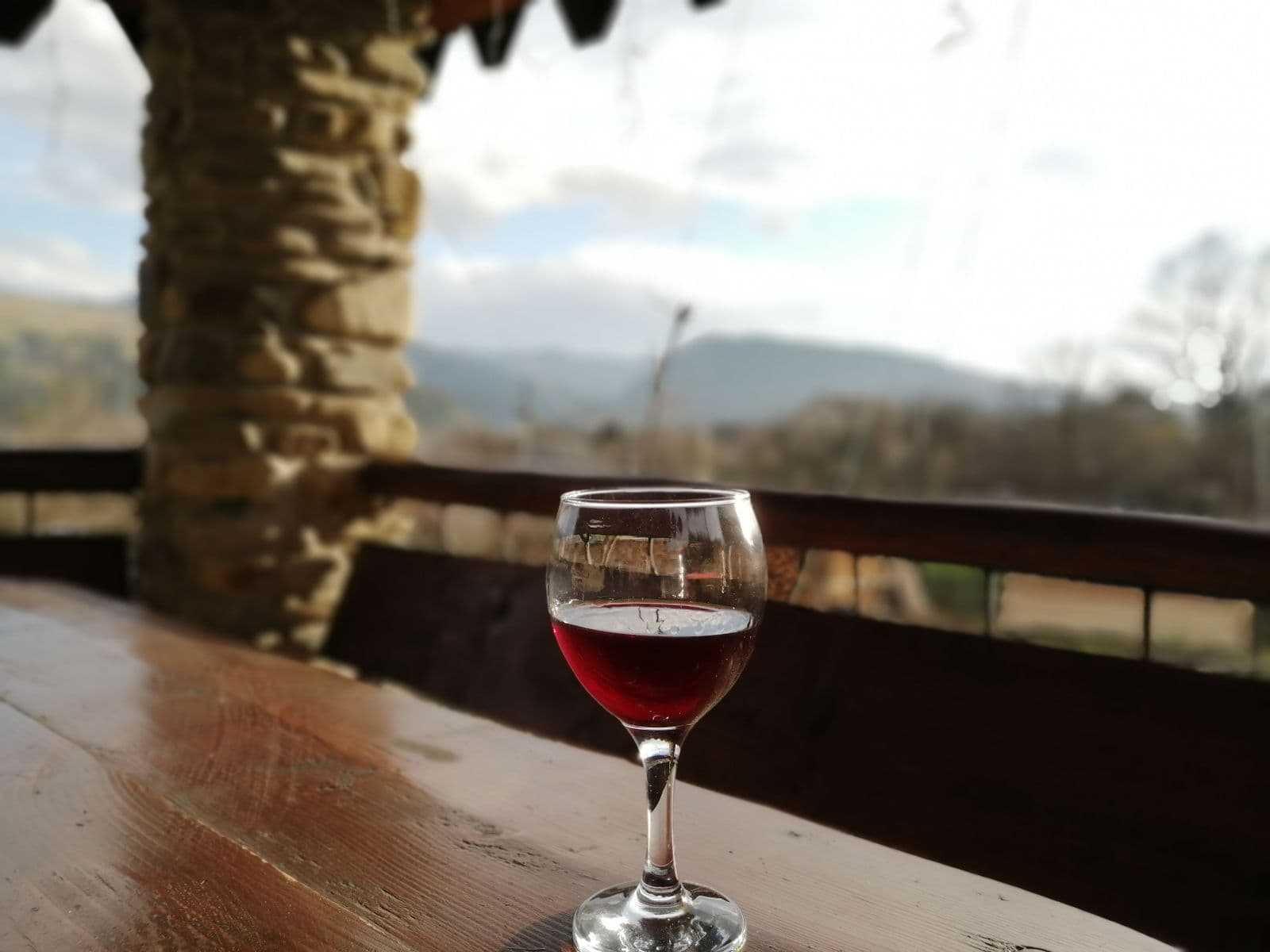
Most Kakheti wineries aren't commercial operations. They're family cellars — marani in Georgian — where three or four generations have been making wine in the same space. The cellar is under the house or in the yard. The winemaker is the person who made the wine. The tasting happens at a wooden table with cheese, bread, and sometimes a full home-cooked meal.
This isn't staged hospitality. It's the way Georgians have always shared wine with guests.
The Supra Connection
Wine in Georgia is inseparable from the supra — the traditional feast led by a toastmaster (tamada). On a good Kakheti wine tour, you'll experience this: the toasts, the chacha (grape brandy), the food, the singing. It's not a wine tasting. It's a wine event.
Georgian hospitality is generous and relentless. At family wineries, you will be offered far more wine and chacha than you planned to drink. Pace yourself, especially if you're visiting multiple wineries in a day. Eat the bread. Drink water between toasts.
How Many Days Do You Need?
One Day: The Taste of Kakheti
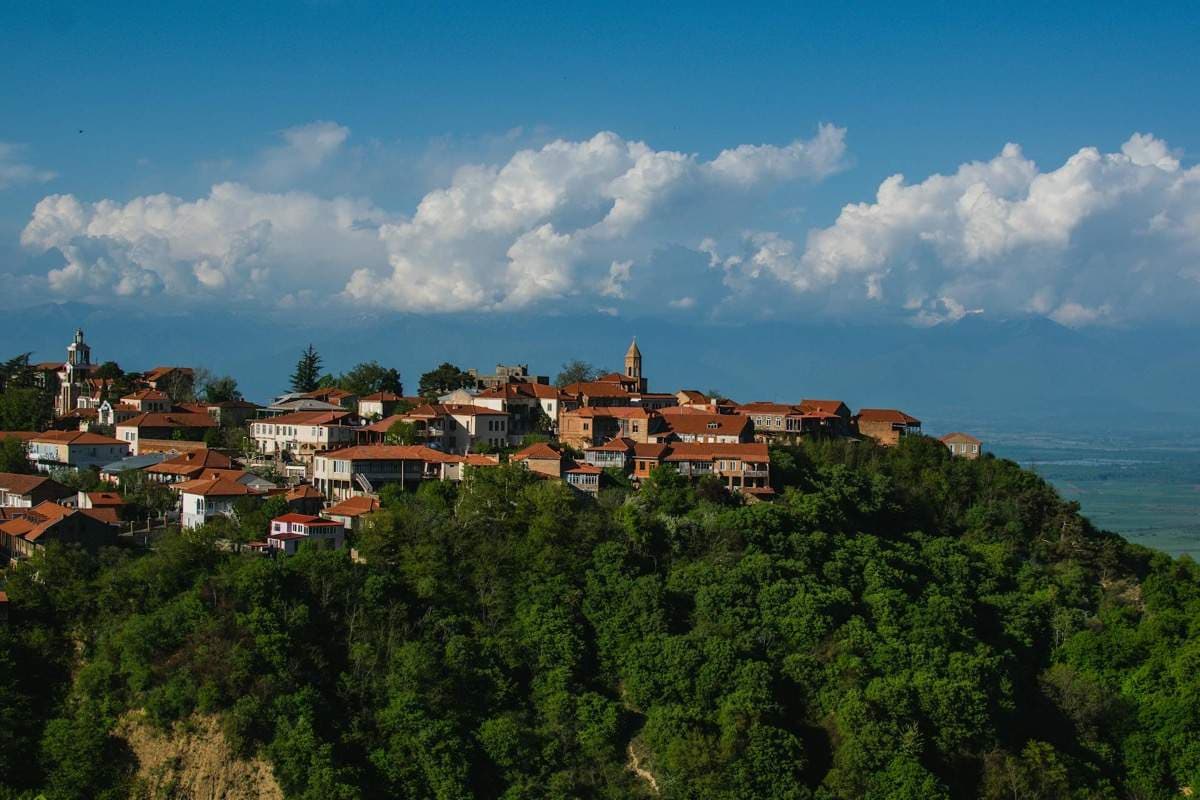
Feasible but rushed. You'll leave Tbilisi at 7-8 AM, visit 2-3 wineries, stop in Sighnaghi for lunch and a walk along the walls, and return by 7-8 PM.
What you'll get: A solid introduction to Georgian wine, a sense of the landscape, and a few bottles to take home.
What you'll miss: The slow pace, the evening atmosphere in wine country, the deeper winery visits that happen when you're not watching the clock.
Best for: Travelers with limited time who want a structured introduction.
Two Days: The Sweet Spot
This is what we recommend for most visitors. Overnight in Sighnaghi or Telavi. Visit 4-6 wineries across both days. Experience a supra dinner. Walk the Sighnaghi walls at sunset. Wake up to the Alazani Valley.
What you'll get: The full Kakheti experience — wine, food, landscape, and culture — without feeling rushed.
What you'll miss: The deeper valley, the smaller producers, the Tusheti road, David Gareja monastery.
Best for: Most travelers. This is the ideal balance of depth and time.
Three Days: The Deep Dive
For serious wine enthusiasts. You'll go beyond Sighnaghi and Telavi into the Alazani Valley proper. Visit smaller family producers that don't appear on any map. Explore the Tusheti road. Maybe hike to David Gareja.
What you'll get: A comprehensive understanding of Kakheti's wine culture, access to producers most visitors never see, and time to just sit and drink wine on a terrace.
Best for: Wine lovers, return visitors to Georgia, and travelers who want to go off the beaten path.
When to Go
| Season | Experience | Crowd Level | Verdict |
|---|---|---|---|
| September-October | Rtveli harvest — grapes being picked, pressed, and poured into qvevri in real time | Medium | Best time |
| May-June | Green vineyards, wildflowers, wines from last harvest ready, perfect weather | Low-Medium | Great time |
| July-August | Hot in the valley (30°C+), early morning visits recommended | Low | Good, but hot |
| November-April | Cozy cellar visits, qvevri wines at their best after winter aging | Very Low | Underrated |
If you can only do one Kakheti wine tour, do it in September or October during the Rtveli harvest. You'll see a 2,000-year-old tradition happening in real time — families picking grapes, crushing them, and filling qvevri together. It's unforgettable.
Perfect Kakheti Wine Tour Itineraries
1-Day Itinerary: The Highlights
7:00 AM — Depart Tbilisi 9:00 AM — Arrive Sighnaghi, walk the fortress walls 10:00 AM — First winery (family cellar near Sighnaghi) 11:30 AM — Second winery (commercial producer for comparison — Khareba or similar) 1:00 PM — Lunch in Sighnaghi (Pheasant's Tears or Kabadoni) 2:30 PM — Third winery or Bodbe Monastery 4:00 PM — Free time in Sighnaghi, buy wine 5:00 PM — Depart for Tbilisi 7:00 PM — Arrive back in Tbilisi
2-Day Itinerary: The Full Experience
Day 1 — Sighnaghi & Surroundings
Morning: Drive from Tbilisi to Sighnaghi. Drop bags at guesthouse. Walk the fortress walls for orientation. Mid-morning: Visit a family cellar near Sighnaghi — qvevri tasting, cheese, bread. Lunch: Pheasant's Tears (book ahead — the full set menu experience). Afternoon: Visit Khareba Winery for the mountain tunnel and broader wine survey. Then a second family cellar for contrast. Evening: Dinner at Kabadoni with valley views. Sunset from the walls.
Day 2 — Telavi, Tsinandali & the Valley
Morning: Drive to Telavi (40 minutes). Visit the Telavi Market for cheese hunting. Mid-morning: Tsinandali Estate — palace, gardens, wine museum. Lunch: At a local restaurant in Telavi (Kapiloni for authentic mtsvadi). Afternoon: Twins Wine Cellar in Napareuli for a qvevri-focused tasting. Optional stop at a natural wine bar in Telavi. Evening: Return to Tbilisi — or stay one more night if you have the time.
3-Day Itinerary: The Deep Dive
Days 1-2: Same as the 2-day itinerary above.
Day 3 — Beyond the Circuit
Morning: Drive the Tusheti road (spectacular mountain scenery). Stop at a village winery that sees almost no tourists. Midday: Visit David Gareja — the cave monastery complex on the border with Azerbaijan. Stark, beautiful, ancient. Afternoon: Return through the Alazani Valley, stopping at 1-2 more family cellars. These are the places your guide knows — the ones without websites. Evening: Supra feast at a guesthouse. This is where the trip crystallizes — the food, the wine, the toasts, the singing. You'll understand why Georgia is the oldest wine country on Earth.
What to Expect at Each Stop
At a Family Cellar
You'll be welcomed into someone's home — literally. The cellar is under the house or in the yard. The winemaker (often the grandmother or grandfather) will show you the qvevri, explain how they're made, and pour you wine directly from the vessel.
Expect 5-8 wines, cheese, bread, and conversation. The wines will be unfiltered, unrefined, and unlike anything you've tasted. Don't compare them to European wines — they're a different category.
Duration: 1-2 hours Cost: 20-40 GEL ($7-15) per person Booking: Usually requires advance notice
At a Commercial Winery
Professional tour, English-speaking guide, tasting room with a broad range of wines. You'll learn about the history of Georgian wine, see the production facilities, and taste 5-10 wines across different styles and grape varieties.
These are impressive and educational. They give you context for understanding the scale of Georgian wine production. The gift shops are also the best places to buy bottles to take home.
Duration: 1-1.5 hours Cost: 20-40 GEL ($7-15) per person, sometimes included in tour price Booking: Walk-ins usually accepted
At a Natural Wine Bar
In Telavi and Sighnaghi, a new generation of young winemakers is opening natural wine bars that serve Kakheti wines by the glass alongside local cheese and charcuterie. These are informal, social, and a great way to taste wines from producers you've never heard of.
Duration: 1-2 hours (or longer — it's a bar, not a tour) Cost: 5-15 GEL ($2-6) per glass Booking: No booking needed
The Winery Mix: What to Include
A great Kakheti wine tour balances three types of experiences:
Family Cellars (Authentic)
These are the heart of the experience. Small, personal, sometimes rustic. You'll taste wines you can't find anywhere else and hear stories about generations of winemaking.
Examples: Nika Winery (Kondoli), Lapati Wines (Telavi area), and the unnamed cellars your guide knows.
Commercial Wineries (Educational)
Large operations with professional tours and broad wine selections. They give you context and history.
Examples: Khareba Winery (famous mountain tunnel), Tsinandali Estate (19th-century palace), Kindzmarauli Corporation.
Natural Wine Bars (The Scene)
Where the modern Georgian wine scene is happening. Young winemakers, experimental wines, casual atmosphere.
Examples: Wine bars in Telavi and Sighnaghi, plus Vino Underground and g.Vino back in Tbilisi.
The ideal mix for a 2-day tour: 2 family cellars, 1-2 commercial wineries, and 1 natural wine bar. This gives you the full spectrum — tradition, scale, and the modern scene.
Wine Tour Etiquette & Insider Tips
The Basics
- Say "Gaumarjos" (GAH-mar-jos) — the traditional Georgian toast meaning "victory." It's what Georgians say instead of "cheers." Use it at wineries and you'll get smiles and probably extra pours.
- Don't sip and spit. This isn't Bordeaux. When someone offers you wine, you drink it. Spitting at a family winery is seen as disrespectful.
- Eat between tastings. Georgian wineries almost always serve food with tastings. Don't drink on an empty stomach.
- Accept the chacha. Georgian grape brandy will appear. It ranges from 45-65% ABV. A small sip is fine if you can't handle it, but refusing entirely is rude.
- Ask about the qvevri. Nothing makes a Georgian winemaker happier than showing you their cellar. Ask to see the marani. Ask how old the vessels are. Ask about their grandfather's methods.
Practical Tips
- Bring cash. Many family wineries and smaller guesthouses are cash-only. ATMs are available in Sighnaghi and Telavi but not in villages.
- Buy wine at the cellar door. Prices at wineries are significantly lower than in Tbilisi shops. A bottle that costs 25 GEL at the winery might be 40+ GEL in the city.
- Pack carefully. Wrap bottles in clothes, use wine shipping sleeves, and put them in checked luggage.
- Learn the grape names. Saperavi (red), Rkatsiteli (amber/white), Kisi (amber). Knowing what you're asking for makes a difference.
- Respect the qvevri. These clay vessels are sacred in Georgian culture. Don't touch them without permission.
Cost Breakdown
| Category | Budget (1 day) | Mid-Range (1 day) | Premium (1 day) |
|---|---|---|---|
| Transport from Tbilisi | 20 GEL (marshrutka) | 150-200 GEL (private driver) | 200-300 GEL (guided tour) |
| Winery Tastings | 50-75 GEL (2-3 wineries) | 75-120 GEL (3-4 wineries) | 120-160 GEL (4-5 wineries + premium) |
| Food | 15-25 GEL | 30-50 GEL | 50-80 GEL |
| Total per person | ~85-120 GEL ($31-44) | ~255-370 GEL ($94-137) | ~370-540 GEL ($137-200) |
1 USD ≈ 2.7 GEL. Prices based on 2025-2026 rates.
Winery tastings are generous — most include 5-8 wines plus cheese and bread. You can easily make a lunch-equivalent meal from tastings alone if you hit 3+ wineries. Factor this into your food budget.
For a detailed comparison of transport options — marshrutka, private driver, group tour, and specialized wine tour — see our Kakheti wine day trip guide.
How to Get There
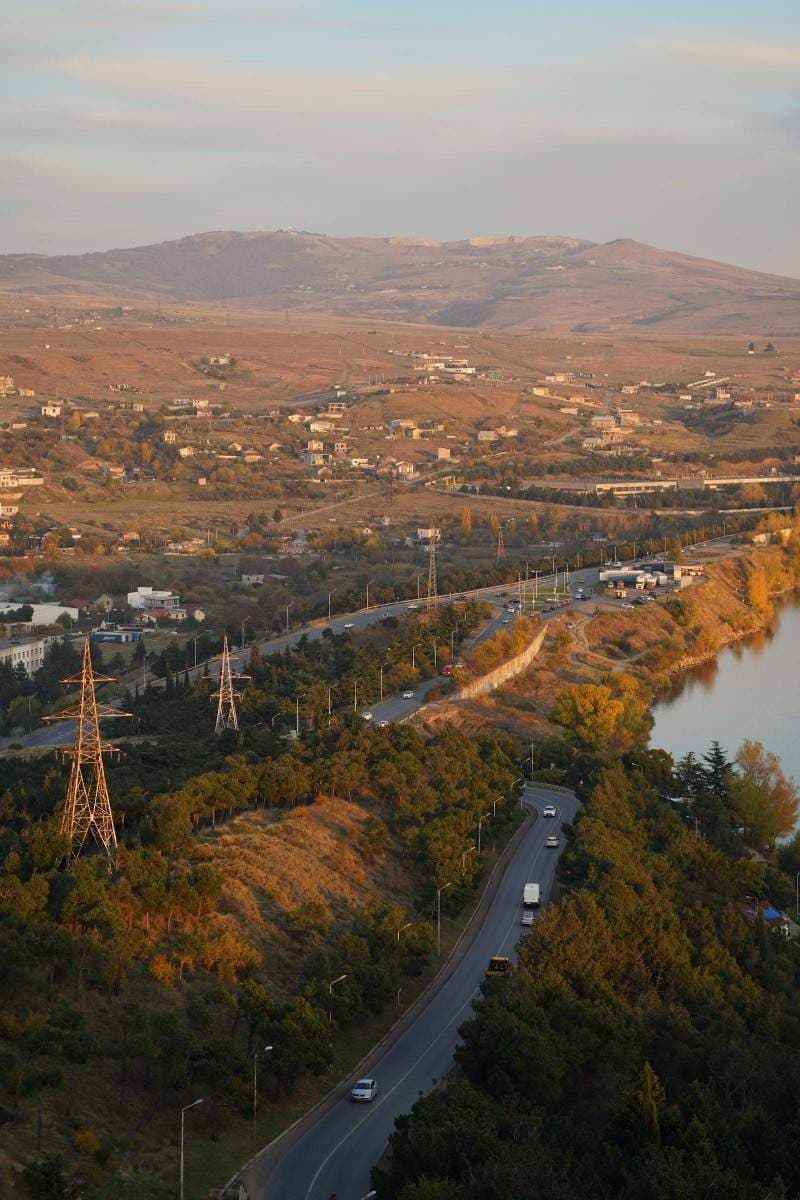
Kakheti is only 1.5-2 hours from Tbilisi, making it the most accessible wine region in Georgia.
By car: The S5 highway runs east from Tbilisi through Rustavi into Kakheti. The road is fully paved and in good condition. Sighnaghi is 110 km (about 2 hours). Telavi is 95 km via the Gombori Pass (about 2-2.5 hours, but the mountain road is stunning).
By marshrutka: Minibuses depart from Didube or Samgori stations in Tbilisi throughout the day. Cost is about 10 GEL ($4). They leave when full, not on a strict schedule.
By private driver or tour: The most comfortable option, especially for wine tasting. A full-day private driver costs 150-250 GEL ($55-93). Organized wine tours run $30-200 per person depending on the level of service.
For a detailed comparison of all transport options, see our Kakheti wine day trip guide.
Where to Stay
If you're doing a 2+ day wine tour, you'll need accommodation.
In Sighnaghi:
- Budget: Guesthouses and B&Bs, $15-30/night, often with breakfast included
- Mid-range: Kabadoni Hotel — valley views, excellent restaurant on-site, $60-100/night
- Splurge: Pheasant's Tears Guesthouse — the full wine-focused experience, $100+/night
In Telavi:
- Budget: Guesthouses near the center, $15-25/night
- Mid-range: Old Telavi Hotel — central and comfortable, $40-60/night
- Unique: Rcheuli Marani — stay at a working winery, $50-80/night
Staying overnight in Kakheti transforms the experience. The town empties out after day-trippers leave, the evening atmosphere is magical, and you can visit wineries at a relaxed pace the next morning.
Common Mistakes to Avoid
- Only visiting commercial wineries. You'll miss the heart of Georgian wine culture — the family cellars.
- Not eating before or during tastings. Georgian wine is meant to be consumed with food. Tasting on an empty stomach is both impractical and culturally off.
- Rushing through wineries. Spend at least an hour at each stop. The best conversations happen after the third glass.
- Not buying wine at the winery. Prices are lower, selection is better, and you're supporting the producer directly.
- Visiting in mid-summer without planning for heat. The Alazani Valley hits 30°C+ in July-August. Schedule winery visits for early morning or late afternoon.
- Skipping the amber wine. Even if you think you don't like orange wine, try Georgian amber wine in context. It's a different experience entirely.
The Bottom Line
A Kakheti wine tour is not about the wine alone. It's about the people who make it, the land it comes from, the tradition that stretches back 8,000 years, and the hospitality that makes every visitor feel like family.
You'll taste wines you can't find anywhere else. You'll sit at tables in people's gardens. You'll hear toasts that make you emotional. You'll leave with a deeper understanding of what wine can be.
For a detailed guide to the Kakheti region itself — towns, grapes, and wineries — see our complete Kakheti wine region guide.
Want to explore Sighnaghi and the surrounding wine country in depth? Check our Sighnaghi & Kakheti wine country guide.
Ready to Experience Georgia?
Join our 8-day small group tour through Georgia. From Tbilisi to Kazbegi to Kakheti wine country. Max 10 guests.
One day gives you a taste of Kakheti — Sighnaghi, 2-3 wineries, and a return to Tbilisi. Two days is the sweet spot: overnight in Sighnaghi or Telavi, visit 4-6 wineries, and experience a traditional supra feast. Three days lets you explore deeper into the Alazani Valley and visit smaller family producers.
September to October during the Rtveli (grape harvest) is the absolute best time. You'll see grapes being picked, pressed, and poured into qvevri — a living tradition. May-June is also excellent with green vineyards, mild weather, and fewer crowds.
A budget day trip costs 100-150 GEL ($37-55) including transport and tastings. A mid-range private tour runs 250-400 GEL ($93-148) with better wineries and food included. Premium guided experiences with a sommelier or local expert cost 400-600 GEL ($148-222) per day.
Large commercial wineries like Khareba and Tsinandali accept walk-ins. Small family cellars almost always require advance notice — they're working wineries, not tasting rooms. If you're visiting during harvest season (September-October), book everything at least a week ahead.
Yes. Marshrutkas run from Tbilisi to Sighnaghi and Telavi daily. However, getting between wineries requires taxis or walking. For a proper wine tour experience, a private driver or organized tour is strongly recommended — you can actually enjoy the tastings without worrying about transport.