

Georgia vs Croatia: Which Should You Visit in 2026? (Honest Comparison)
Two countries that keep appearing on every "underrated destination" list. Two places that travelers discover, fall in love with, and then spend the rest of their lives recommending to friends. But they couldn't be more different.
Croatia is the established star — Adriatic coastlines, Game of Thrones fame, walled cities, and a tourism industry that's been refining itself for decades. It's also crowded, expensive (by regional standards), and increasingly hard to enjoy authentically.
Georgia is the newcomer — ancient wine traditions, Caucasus mountain peaks, a food culture that rivals Italy's, and prices that make your money stretch impossibly far. It's also less developed, less English-friendly, and requires more adventurousness.
So which one deserves your vacation days in 2026?
We run tours in Georgia, so you might expect us to be biased. We'll try not to be. Both countries are extraordinary — and the "right" choice depends entirely on what kind of traveler you are.
Let's break it down honestly.
Landscapes: Alpine Peaks vs. Adriatic Blue
Georgia
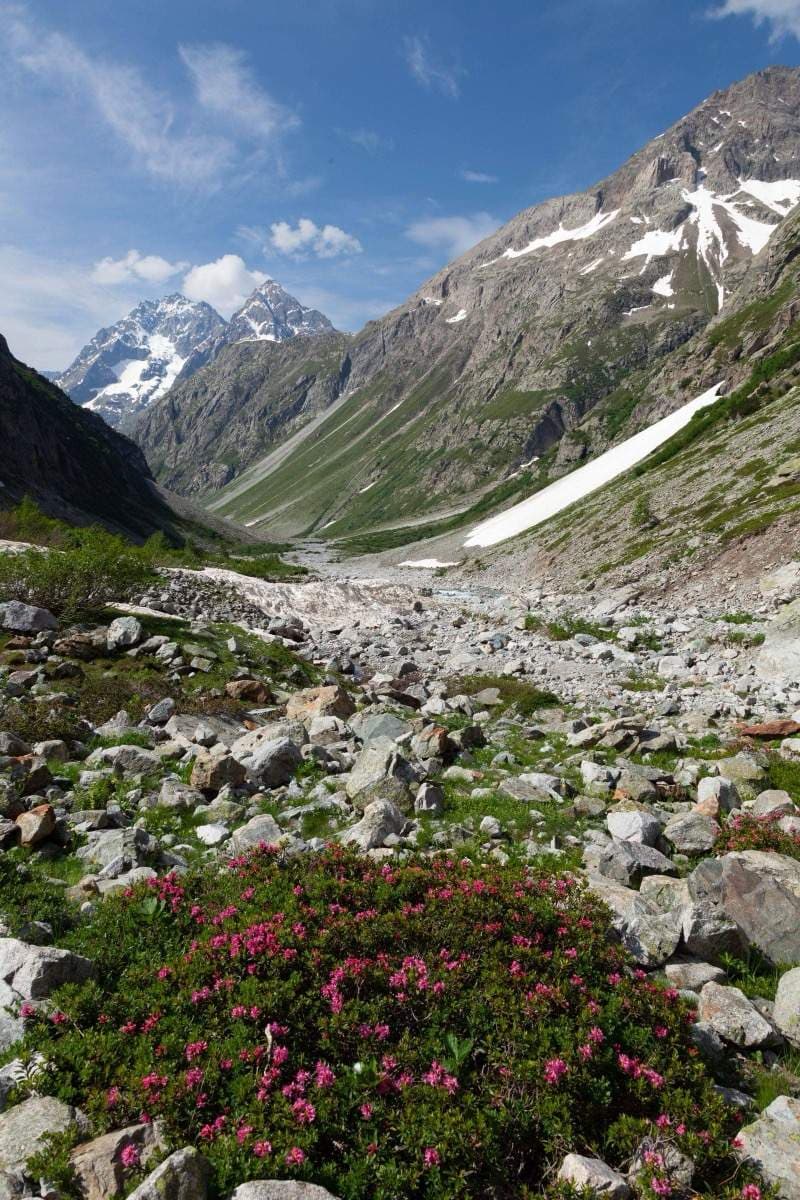
Georgia packs a ridiculous amount of geographic diversity into a country the size of Ireland. The snow-capped Greater Caucasus mountains in the north (peaks over 5,000 meters), the lush subtropical Black Sea coast, semi-desert badlands in the southeast, and the rolling green vineyards of Kakheti in between.
The variety is staggering. In a single week, you can hike to glaciers in Svaneti, swim in the Black Sea at Batumi, and wander through 12th-century cave cities carved into cliff faces.
Standout landscapes:
- Kazbegi — Gergeti Trinity Church with Mount Kazbek towering behind it
- Svaneti — medieval stone towers rising from alpine meadows, glaciers as a backdrop
- Vardzia — a cave city carved into a sheer cliff face, 13 stories deep
- Kakheti — rolling vineyards backed by the Greater Caucasus
Croatia
Croatia is all about the coast — 6,278 kilometers of it, including over 1,000 islands. The Dalmatian coastline is famously beautiful: crystal-clear Adriatic water, terracotta-roofed islands, and limestone cliffs dropping into the sea.
Inland, you've got the Plitvice Lakes (waterfalls on top of waterfalls), the Istrian peninsula (truffles and hilltop towns), and the Slavonian plains in the east (underrated and under-visited).
Standout landscapes:
- Plitvice Lakes — 16 terraced lakes connected by waterfalls, UNESCO World Heritage
- Dubrovnik's coastline — the Adriatic at its most cinematic
- Krk and Hvar islands — turquoise water and Mediterranean charm
- Istria — rolling hills, truffle forests, and medieval hilltop villages
Verdict: Georgia for dramatic variety and rawness. Croatia for coastal beauty and Mediterranean classicism. If mountains and caves excite you more than beaches and islands, Georgia wins. If the Adriatic is your dream, nothing beats Croatia.
Food & Drink
Georgian Food
Georgian cuisine is one of the great undiscovered food traditions of the world. It's rich, flavorful, and incredibly varied — with influences from the Mediterranean, the Middle East, and Central Asia.
The highlights:
- Khinkali — giant soup dumplings filled with spiced meat or mushrooms
- Khachapuri — cheese-filled bread in multiple regional styles
- Pkhali — walnut-paste vegetable spreads
- Chakapuli — lamb stew with tarragon and sour plum sauce
- Churchkhela — walnut strings dipped in grape juice, dried into candy
And then there's the wine. Georgia is the oldest wine-producing country on earth — 8,000 years of continuous winemaking. The traditional qvevri method (fermenting in clay vessels buried underground) is UNESCO-recognized. Georgian amber wine has become the darling of the natural wine world.
A typical Georgian meal costs $5-15 at a local restaurant and is easily the best value in European-adjacent dining.
Croatian Food
Croatian cuisine varies by region. The coast is Mediterranean — seafood, olive oil, grilled fish, Italian-influenced pasta and risotto. Inland, it's more Central European — stews, sausages, paprika, and Austrian-Hungarian pastry traditions.
The highlights:
- Black risotto — cuttlefish ink risotto, the signature Dalmatian dish
- Peka — meat and vegetables slow-cooked under a bell-shaped lid (requires advance ordering)
- Truffle pasta — Istria's specialty, and genuinely world-class
- Fresh grilled fish — simply prepared, beautifully sourced
- Pršut and paški sir — Dalmatian prosciutto and Pag Island cheese
Croatia's wine scene is growing but remains largely unknown internationally. The indigenous grape varieties (Plavac Mali, Pošip, Malvazija) are excellent but hard to find outside the country.
Verdict: Georgia for food uniqueness, value, and wine. Croatia for seafood and Mediterranean variety. If you're a wine person, Georgia is not even close. If you're a seafood person, Croatia wins. Overall, Georgian food is the more distinctive experience — you can eat Mediterranean food anywhere. You can only eat real Georgian food in Georgia.
Costs
This is where the difference becomes stark.
| Category | Georgia | Croatia |
|---|---|---|
| Budget hotel/guesthouse | $20-40/night | $40-80/night |
| Mid-range hotel | $50-100/night | $80-180/night |
| Meal at local restaurant | $5-10 | $12-25 |
| Fine dining | $20-35/person | $40-80/person |
| Bottle of good wine | $5-15 | $10-25 |
| Taxi (city ride) | $2-5 | $5-15 |
| Intercity transport | $3-8 | $10-30 |
| Museum entry | $2-5 | $5-15 |
| Beer at a bar | $1.50-3 | $3-6 |
| Coffee at a café | $1-2 | $2.50-4 |
Croatia is roughly 2-3x more expensive than Georgia across the board. The coastal premium in places like Dubrovnik and Hvar can be even higher — especially during peak season (July-August), when prices spike dramatically.
A week in Georgia on a mid-range budget costs roughly the same as 3 days in Croatia during peak season. That's not a knock on Croatia — it's one of the more expensive destinations in Southeast Europe. It's just a reality that matters when you're planning vacation time and budget.
Georgia's value advantage: Not only is everything cheaper — the quality you get for your money is exceptional. A $50 guesthouse in Georgia often includes a homemade breakfast, a family host who treats you like a relative, and dinner that's better than most restaurants. A $50 hotel in Croatia in July gets you a basic room with no character.
Crowds & Overtourism
Georgia
Georgia welcomed about 7 million visitors in 2023 — but most of those were day-trippers from neighboring countries or transit visitors. The number of actual leisure tourists is closer to 1-1.5 million, spread across a country larger than Ireland.
The reality: Outside of a few specific spots in Tbilisi and the main tourist restaurants, you will rarely feel crowded. In Kazbegi, you might share the Gergeti Trinity Church with 10-20 other people. In Vardzia, you might have the entire cave city to yourself for 30 minutes. In Kakheti wine cellars, it might just be you and the winemaker.
Georgia feels like Croatia did in the 1990s — on the cusp of discovery, but not yet overwhelmed by it.
Croatia
Croatia welcomed over 20 million tourists in 2023. Dubrovnik alone sees over 1 million visitors per year in a city of 4,000 permanent residents. During peak summer, the Old Town of Dubrovnik can feel like a theme park.
Cruise ships dump 5,000-10,000 day-trippers into Dubrovnik's port each morning. Plitvice Lakes has timed entry tickets because it gets so crowded. Hvar island in July is packed.
Croatia is aware of the problem and has implemented measures — limiting cruise ship arrivals, creating off-season incentives, and promoting lesser-known regions. But the overcrowding in the main hotspots is a reality.
Verdict: Georgia by a mile. If you value having space, quiet, and authentic interactions with locals who aren't exhausted by tourism, Georgia is the clear winner. Croatia's best experiences require strategic timing (shoulder season, early morning, lesser-known spots) to avoid the crowds.
Culture & History
Georgia
Georgia's history is measured in millennia. Christianity arrived in the 4th century (making it one of the first Christian nations). The Georgian alphabet is one of only 14 living scripts in the world. The country has its own language family unrelated to any other on Earth.
The cultural highlights:
- Orthodox churches and monasteries — some dating to the 4th-6th centuries, with frescoes that predate the Renaissance
- Supra (feast) tradition — 2,000-year-old dining culture with a tamada (toastmaster) leading toasts
- Polyphonic singing — three-part harmony tradition recognized by UNESCO
- Soviet legacy — visible everywhere, from architecture to the Russia-Georgia Friendship Monument
- Living traditions — qvevri winemaking, bread baking, and cheese-making are done the same way they were centuries ago
Georgian culture feels alive and unbroken. You're not visiting a museum — you're joining a culture that's still happening.
Croatia
Croatia's history is deeply European — Roman ruins, Venetian architecture, Austro-Hungarian grand boulevards, and a complex 20th century that included Yugoslav identity, the War of Independence (1991-1995), and EU accession in 2013.
The cultural highlights:
- Roman ruins — Diocletian's Palace in Split is one of the best-preserved Roman palaces in the world
- Medieval walled cities — Dubrovnik, Korčula, and Trogir are stunning examples of Venetian-era urban planning
- Museum scene — Zagreb has excellent museums (the Museum of Broken Relationships is world-famous)
- Festival culture — Dubrovnik Summer Festival, Ultra Europe, and countless music and food festivals
Croatia's culture is polished, well-presented, and easy to consume as a tourist. Georgia's culture is rawer, more immersive, and requires more engagement.
Verdict: Different kinds of culture. Croatia gives you the European classical tradition at its best — Roman, Venetian, and Austro-Hungarian heritage beautifully preserved. Georgia gives you something rarer: a living ancient that hasn't been packaged for consumption. If you want museums and festivals, Croatia. If you want to feel like you've stepped into a civilization that time forgot, Georgia.
Ease of Travel
| Factor | Georgia | Croatia |
|---|---|---|
| English proficiency | Low-Medium (good in Tbilisi, limited outside) | High (especially in tourist areas) |
| Public transport | Basic (marshrutkas, infrequent) | Good (buses, ferries, trains along coast) |
| Road quality | Decent highways, rough in mountains | Excellent coastal roads, well-maintained |
| Currency | Georgian Lari (GEL) — cash-heavy | Euro (€) — fully card-friendly |
| Visa | 365 days visa-free for most nationalities | EU Schengen — visa rules vary |
| Safety | Extremely safe | Extremely safe |
| Healthcare | Adequate in Tbilisi, limited outside | Good, EU-standard in cities |
Verdict: Croatia is significantly easier to navigate as a tourist. Better roads, better English, better infrastructure, euro currency, and a mature tourism ecosystem. Georgia rewards the adventurous — you'll need patience, cash, and a willingness to figure things out.
Nightlife & Social Scene
Georgia
Tbilisi has one of the most exciting underground music scenes in Europe — techno at Bassiani (consistently ranked among the world's best clubs), experimental music at Khidi, and jazz bars scattered through the Old Town. The wine bar scene is booming. The craft cocktail scene is growing.
Outside Tbilisi, nightlife is limited — guesthouse dinners, local bars, and the occasional supra that goes until 3 AM because that's just what happens.
Croatia
Croatia's nightlife is concentrated on the coast and the islands. Beach clubs in Hvar, open-air bars in Dubrovnik's Old Town, music festivals on the Dalmatian islands (Ultra Europe, Outlook, Dimensions). It's summer Mediterranean nightlife at its most vibrant.
Zagreb has a solid bar and club scene, but it's not the reason people visit Croatia.
Verdict: Tbilisi for underground music and urban culture. Croatian coast for beach parties and festival scene. Depends on your vibe.
Side-by-Side Summary
| Category | Georgia | Croatia | Winner |
|---|---|---|---|
| Landscapes | Mountains, caves, vineyards, Black Sea | Coast, islands, waterfalls, medieval towns | Tie (different strengths) |
| Food | Unique, hearty, incredible value | Mediterranean seafood, truffles, Italian influence | Georgia (more distinctive) |
| Wine | 8,000-year tradition, qvevri, amber wines | Good indigenous grapes, limited international presence | Georgia (no contest) |
| Costs | $50-80/day mid-range | $100-200/day mid-range | Georgia (significantly cheaper) |
| Crowds | Barely crowded outside Tbilisi | Overcrowded in Dubrovnik, Plitvice, Hvar | Georgia (by a mile) |
| Culture | Living ancient civilization | European classical heritage | Tie (different experiences) |
| Ease of travel | Adventurous, less English-friendly | Mature tourism ecosystem, very easy | Croatia |
| Nightlife | Tbilisi techno scene, wine bars | Beach clubs, festivals, island parties | Tie (different vibes) |
| Uniqueness | Unlike anywhere else on Earth | Beautiful but shares DNA with Italy/Greece | Georgia |
The Verdict: Who Should Choose Which?
Choose Georgia if:
- You want something you've never experienced before — Georgian food, wine, language, and hospitality are unlike anything else
- You're on a budget — Georgia gives you 2-3x the value of Croatia
- You dislike crowds — Georgia feels like Europe did 30 years ago
- You're a wine person — 8,000 years of winemaking in a country the size of Ireland
- You love mountains — the Caucasus are among the most dramatic ranges on Earth
- You're an adventurous traveler — Georgia rewards curiosity and patience
Choose Croatia if:
- You want the Mediterranean coast — nothing in Georgia compares to the Dalmatian coastline
- You prefer easy, polished travel — Croatia's tourism infrastructure is excellent
- You're a seafood person — Georgia's landlocked cuisine can't compete with Adriatic fish
- You love Roman and Venetian history — Diocletian's Palace and Dubrovnik's walls are world-class
- You're traveling with kids — Croatia is more family-friendly infrastructure-wise
- You want festivals and events — Croatia's summer festival calendar is unmatched in the region
The Honest Answer?
If you've already been to Italy, Greece, and the French Riviera, Croatia will feel familiar (albeit beautiful). Georgia will feel like nothing you've ever experienced.
If this is your first time traveling in the region and you want the classic Mediterranean experience, Croatia delivers. If you want the road less traveled, Georgia is the more rewarding destination in 2026.
If Georgia Wins...
Here's how to see the best of it in 8 days: Tbilisi's Old Town, the Georgian Military Highway to Kazbegi, the wine cellars of Kakheti, and the cave city of Vardzia — all covered on our Grand Highlights tour with a local guide who was born in these mountains.
Maximum 12 travelers. Everything included. From $1,895 per person.
Ready to Experience Georgia?
Join our 8-day small group tour through Georgia. From Tbilisi to Kazbegi to Kakheti wine country. Max 10 guests.
See the full itinerary, read reviews from past guests, and check available departure dates. Start your Georgia adventure →